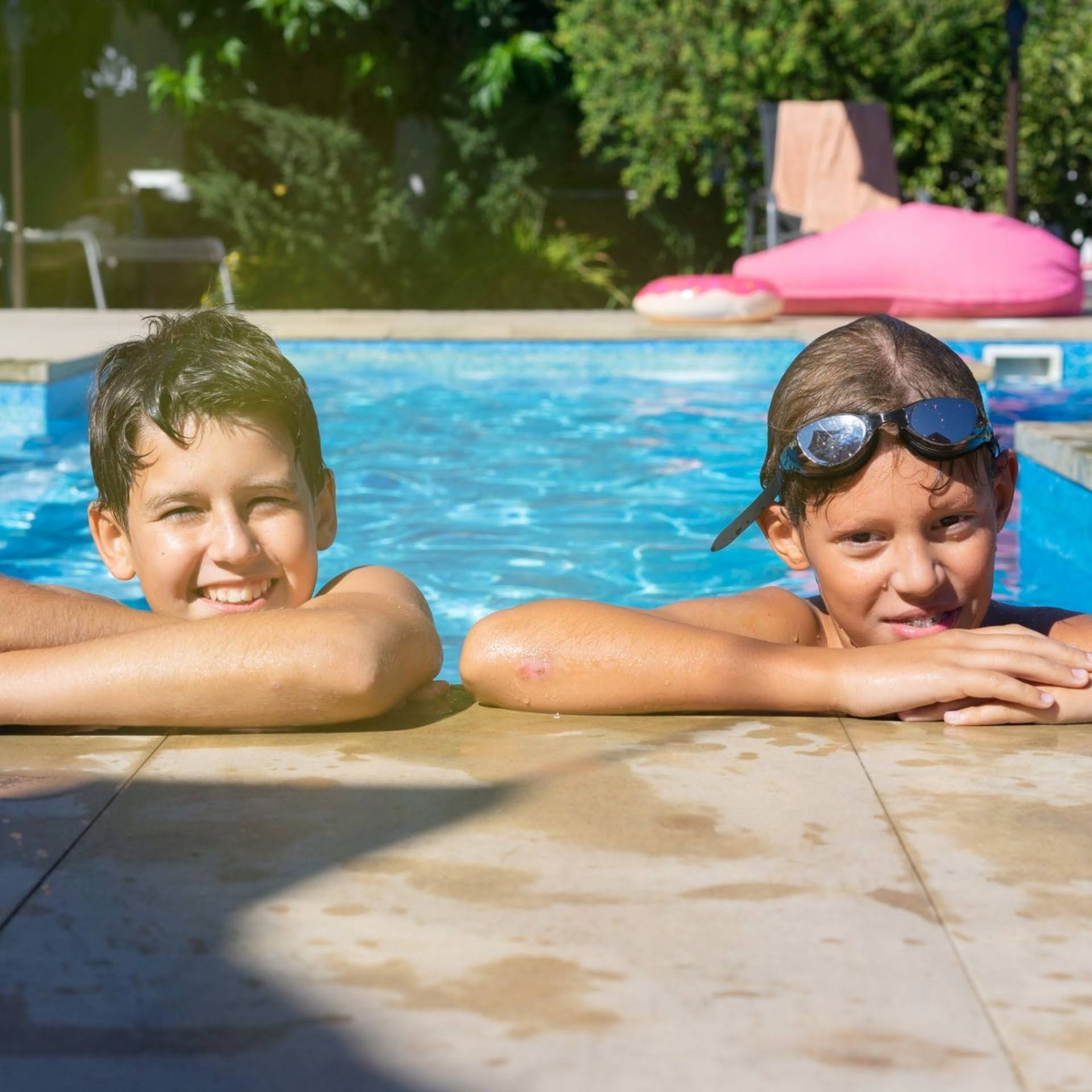
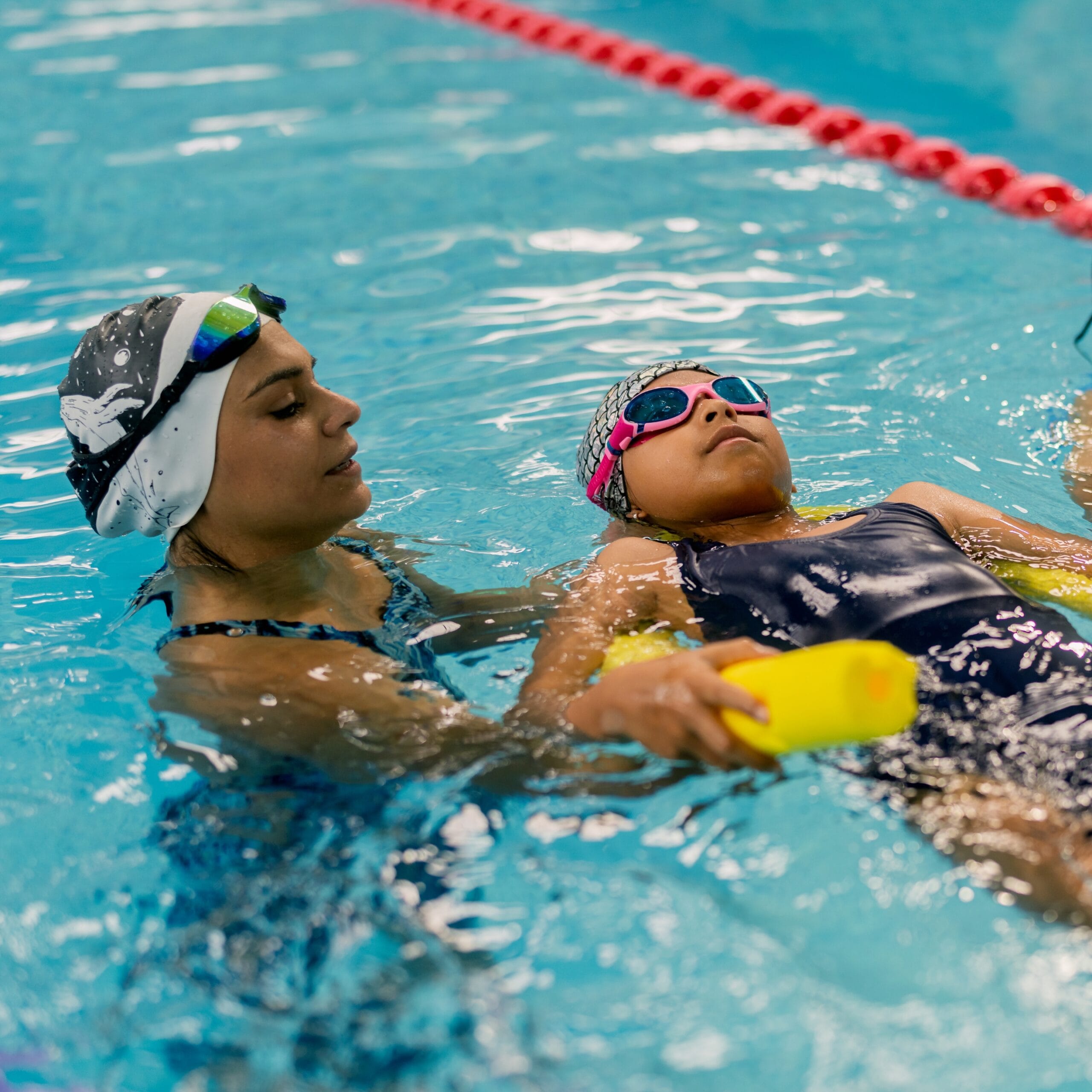
Water safety is a serious priority for families raising children with autism or other special needs, and swim lessons can be one of the most valuable steps a parent takes. Children on the autism spectrum are often drawn to water and face a higher risk around it, which makes water competence both a safety measure and, for many kids, a genuine source of calm and confidence. Across Gilbert, Mesa, and the East Valley, more families are finding that the right swim lessons for kids with autism are not only possible, they are worth prioritizing. Here is what parents should know about autism and swimming lessons, what to look for in a program, and how to set your child up for a good start.
The safety case is real, and it is worth understanding without alarm. According to the CDC, about half of children with autism are reported to wander from safe settings, and among those who go missing, drowning is one of the most common dangers. Drowning is the leading cause of death for autistic children through age 14, and a 2017 Columbia University study found their drowning risk is many times higher than that of other children.
Water often draws children on the spectrum because it feels calm and predictable in a way that loud, busy environments do not. That pull is exactly why water safety skills matter so much here, and why swimming lessons for kids with autism work best as one layer alongside secure pool barriers and close supervision, never a replacement for them.
Beyond safety, time in the water is something many children on the spectrum genuinely enjoy. Warm water offers a steady, gentle pressure that a lot of kids find soothing, which can make the pool one of the calmer parts of a week. Swimming also builds coordination, strength, and body awareness at a child's own pace, without the fast back-and-forth of team sports. The repetition of kicking, floating, and breathing gives a predictable rhythm that many children find reassuring. In Arizona, where pools are part of daily life, that mix of safety and enjoyment makes swim lessons for autistic kids, and special needs swim lessons more broadly, especially worthwhile.
Not every program is set up to support autistic children or kids with developmental differences, so it helps to know what a good fit looks like. When you are comparing adaptive swim lessons, special needs swimming lessons, or swimming lessons for special needs, weigh these factors:
Some families find these features in an inclusive general program, while others need a dedicated, specially certified adaptive program. Both paths are valid, and knowing your child's needs helps you choose.
At EVO Swim School, children of all abilities are welcome in our regular small-group classes. To be clear about what that means: EVO does not run a separate, specially certified adaptive or autism-specific program. What we offer is an inclusive environment and coaches who adapt within our standard classes. That works well for many children who simply need a calmer, more predictable setting, and it may not be the right fit for every child with more intensive support needs.
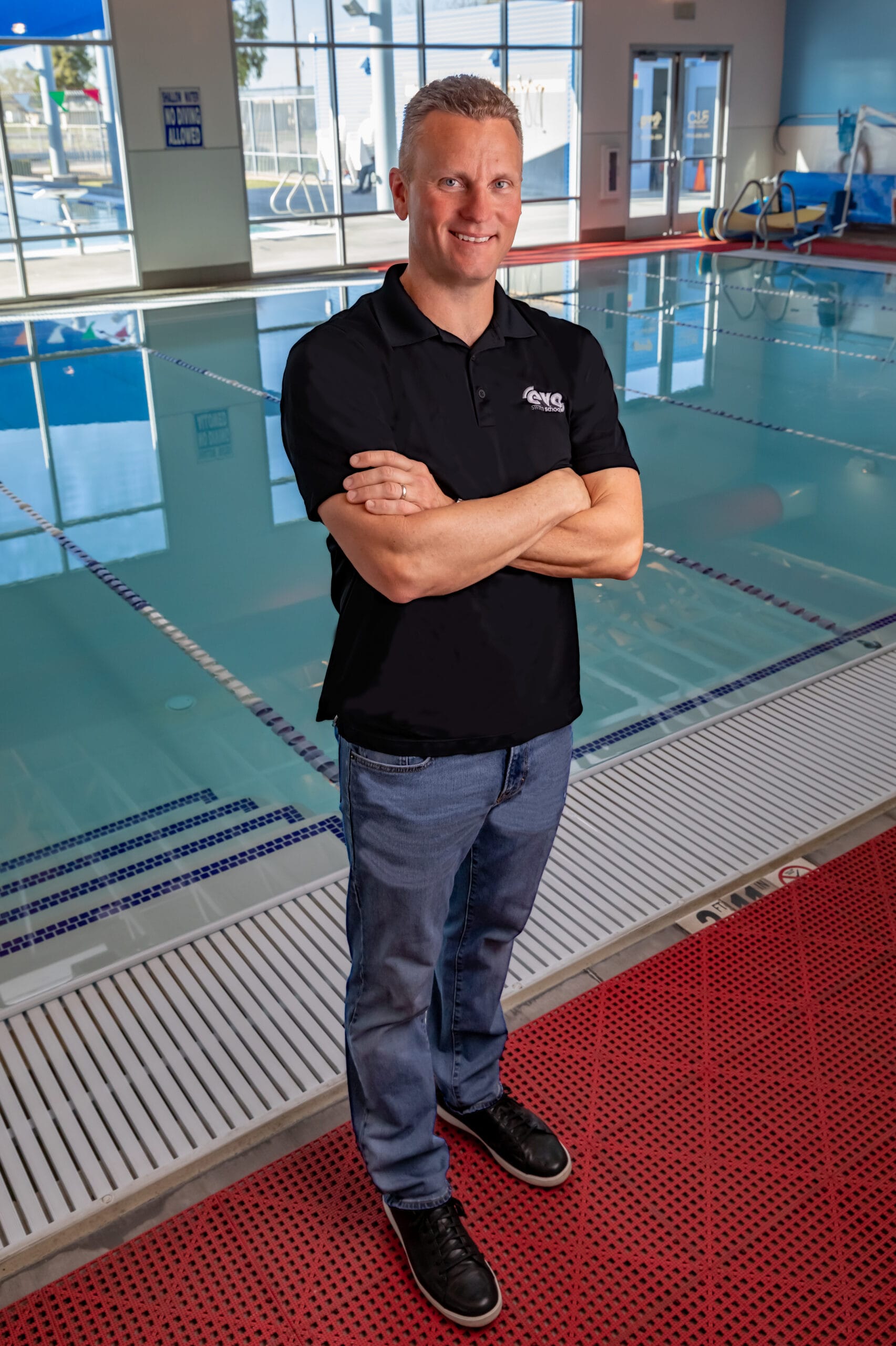
Several features of our facility tend to help kids who need that calmer environment:
The honest first step is to talk with our team about your child's specific needs before enrolling, so together we can gauge whether our classes are a good fit. Our coaches meet children where they are, whether that means extra time to adjust or gentle encouragement to try something new. For many families, that first conversation is where swim lessons start.
A little preparation goes a long way for a first lesson. A few small steps help many children settle in:
Swimming lessons for autistic children rarely follow a straight line, and that is completely normal.
Ready to talk through whether our classes are a good fit for your child? Join us today to see options, or reach our team at either the Gilbert or Mesa location. You can also call 480-404-6191.
Yes. In a calm setting with a patient coach, swim lessons are widely recommended for autistic children, because water competence is an important safety skill. Lessons should always sit alongside close supervision and secure pool barriers, never replace them.
Children can begin as early as three months in parent-tot classes, though the right time really depends on your child's readiness and sensory needs. Early, positive exposure to water helps, and there is no single correct starting point.
At EVO, children of all abilities join the regular small-group classes rather than a separate adaptive track, and coaches adapt within that setting. If your child needs more specialized support than an inclusive class can provide, it is worth discussing that with our team or seeking a dedicated adaptive program.
Every child moves at their own pace, and comparisons to other kids are rarely useful here. Consistent weekly attendance and patient instruction matter far more than any timeline, and progress often arrives in small, meaningful steps.
A swimsuit, a towel, and any comfort item your child relies on for transitions. Goggles or ear protection can help with sensory sensitivities, and arriving a few minutes early gives your child time to settle before class begins.
Or register via phone 480-404-6191