Plenty of parents in Gilbert and Mesa watch their child tear across the pool and wonder if a future swim-team athlete is in the making. Competitive swimming can be a wonderful path: it builds fitness, discipline, and lifelong friendships, all while sharpening a genuine safety skill.
The reassuring part is that you do not need to run a boot camp at home. Great competitive swimmers are built on strong fundamentals, steady practice, and a love of the water, in that order. Here is how child swim training actually progresses, and how to support your young swimmer without pushing the fun out of it.
Every competitive swimmer starts as a beginner. The road to a swim team is a progression, not a leap, and each stage builds exactly the skills the next one needs.
At EVO Swim School, that progression is mapped out stage by stage. Swimmers begin with
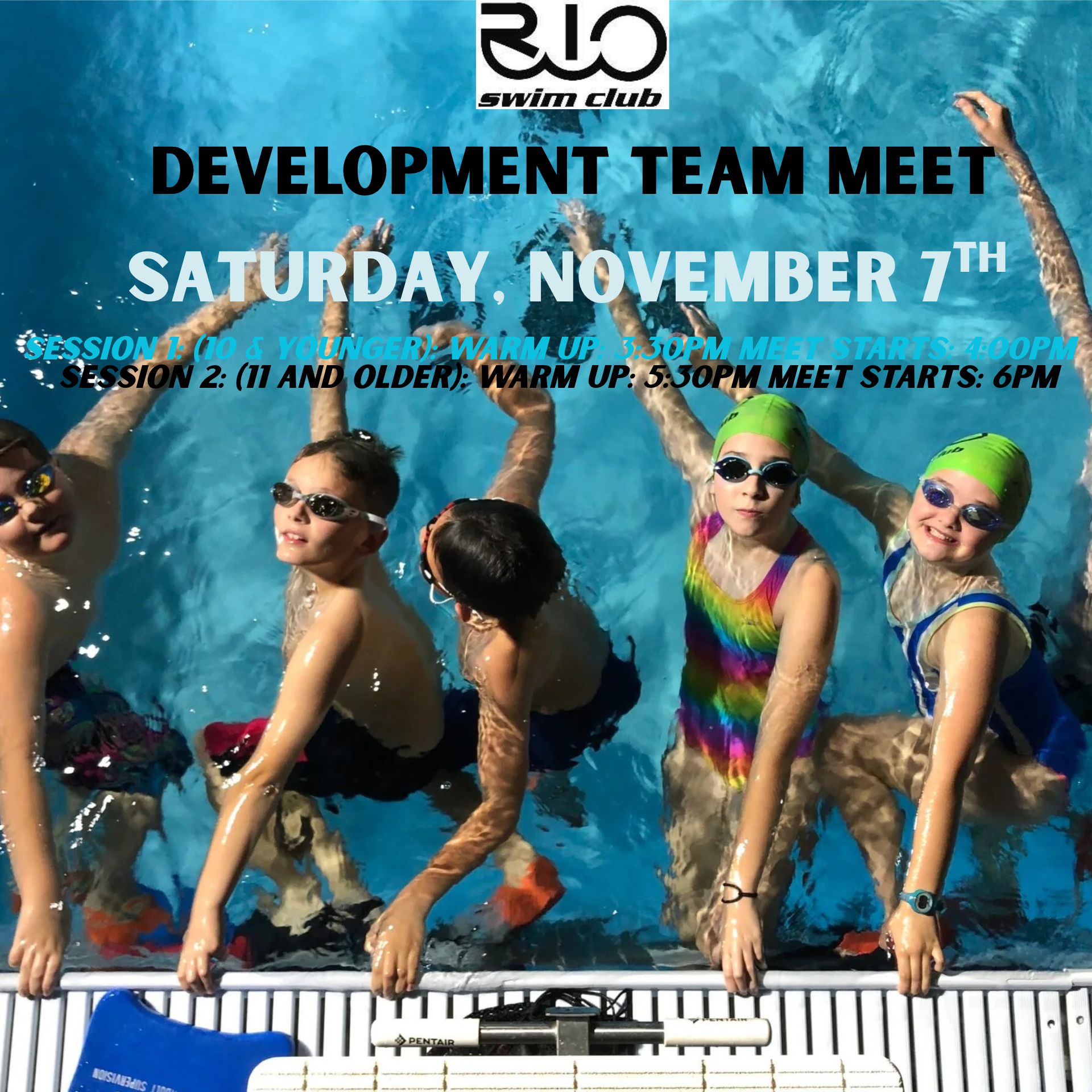
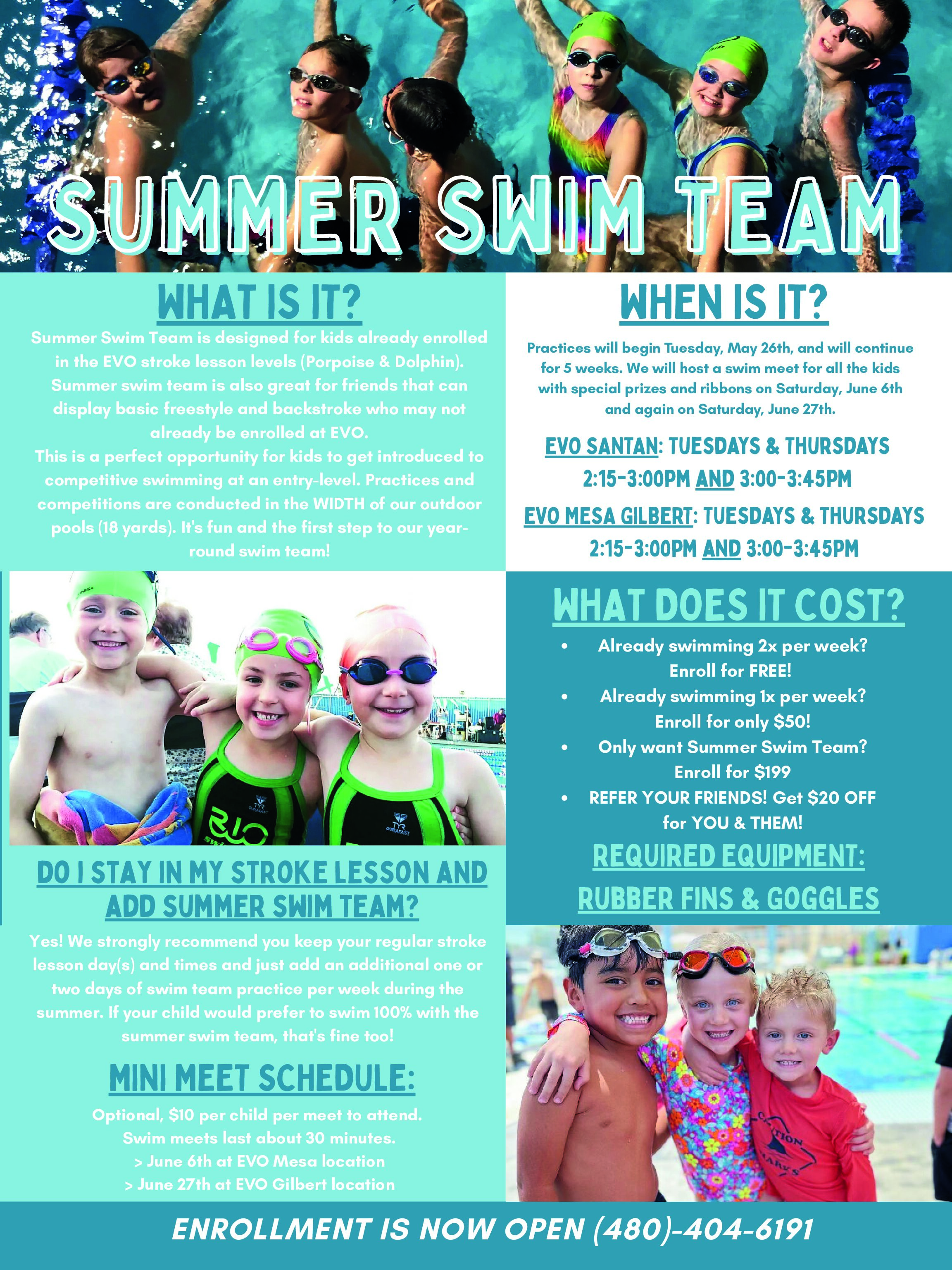
Before joining the team, most swimmers refine their technique in the Advanced Stroke class, which covers all four competitive strokes, turns, and streamline work. From there, swimmers who love to race can join the Rio Swim Team, EVO's competitive pathway. Both the SanTan Gilbert and Mesa locations run year-round, so training never has to pause for the season. Parents can browse class times to find the right starting point.
That phrase can sound intense, but for kids it is really about consistency and steady skill-building, not grueling workouts. A few things matter far more than pushing hard.
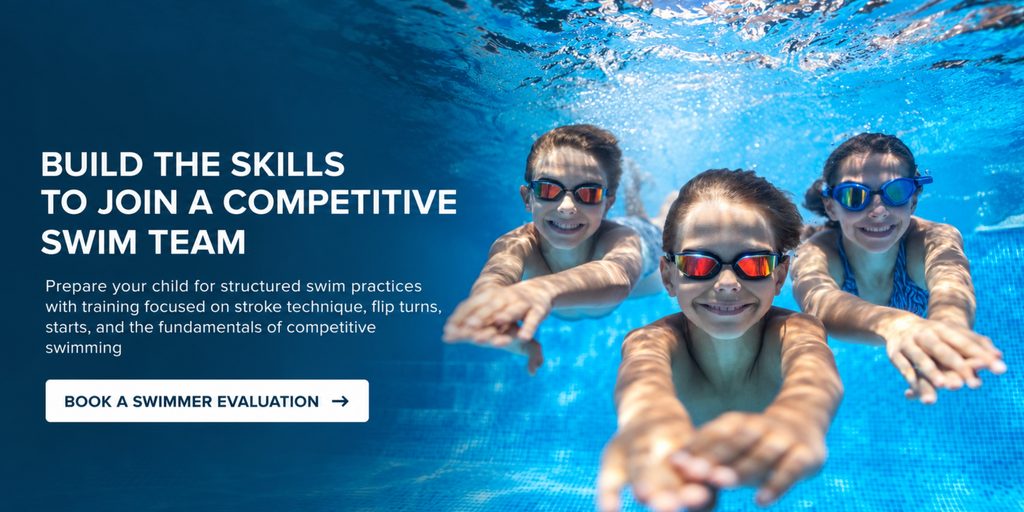
How to train for swimming competition is a common question, but a parent's real job is support, not coaching. A few simple habits make the biggest difference.
Every strong competitor started by simply getting comfortable and having fun in the pool. Whether your child dreams of a swim team or just wants to get faster, the path is the same: solid fundamentals, steady practice, and genuine enjoyment. Competitive swimming training grows naturally from there, at a pace that keeps your child eager to come back.
Ready to help your child build the skills that lead to competitive swimming? Join us today and browse available class times, or call EVO Swim School at 480-404-6191.
Most children are ready to consider joining a swim team once they have solid fundamentals in all four strokes, often around ages 6 to 8, though it varies. The path there starts much earlier with beginner lessons that build comfort and technique. Readiness depends on skill and interest, not just age.
For young swimmers, competitive swim training centers on consistent practice, refining stroke technique, building endurance, and developing race skills like starts and turns. The focus is far more on steady progress and enjoyment than on intense, high-pressure workouts.
Signs include comfort with all four strokes, enthusiasm for swimming, the ability to follow a coach's instructions, and a real desire to race. A coach can assess readiness and recommend when to make the move from lessons to a competitive team.
Frequency depends on age and level, but consistency matters more than volume. A steady weekly schedule builds skills without burnout for younger swimmers, with practice increasing gradually as a child advances and shows genuine interest.
Not at all. Advanced stroke work builds fitness, technique, and confidence whether or not a child ever races. Many swimmers continue to advanced levels purely for the skill and enjoyment, with competition as an optional next step.
Or register via phone 480-404-6191