Is 80 degrees warm enough to swim? Can you swim if there is thunder but no lightning? Gilbert and Mesa parents ask both questions constantly, usually right before a lesson or pool visit. Here are the direct answers, with the thresholds behind them, so you can make the call with confidence.
For older, active children, 80 degrees is usually comfortable. Younger children and toddlers often find it slightly cool and do better a few degrees warmer. Most children are comfortable in water in the low-to-mid 80s Fahrenheit.
The thresholds below come from EVO's guide to ideal pool water temperature for your child, which draws on American Academy of Pediatrics guidance for the youngest swimmers.
| Water Temperature | What It Means for Kids |
|---|---|
| Around 70°F and below | Cold becomes a genuine safety concern, especially for little ones |
| Below about 78°F | Too cold for most kids; expect short sessions and shivering |
| Around 80°F | Usually comfortable for older, active children |
| Low-to-mid 80s°F | Comfortable for most children |
| 87 to 94°F | AAP recommendation for swim classes for children age 3 and under |
| Above about 90°F | Too warm for general swimming; can leave swimmers tired or flushed |
A reading is only a starting point. Shivering, goosebumps, pale skin, bluish lips, chattering teeth, or a sudden "I want out" all signal that the water is too cold for your child, whatever the number says. EVO's companion guide to swimming safely in stormy weather covers the weather side in more depth, and both pages point to EVO's indoor parent-tot classes and entry-level lessons. Current class options are listed on the classes and schedules page.
EVO teaches lessons in heated, indoor teaching pools at both the SanTan Gilbert and Mesa locations, where the water stays at a steady, comfortable temperature year-round. As EVO's Starfish class page puts it, "Water temperature stays warm and consistent regardless of the season."
Outdoor pools in the East Valley swing with the weather. Water that feels fine on a 110-degree July afternoon can turn uncomfortably cool by a January morning. A heated indoor pool removes that guesswork, so lessons can stay focused on skills.
The youngest swimmers need noticeably warmer water. The AAP recommends that swim and water safety classes for children age 3 and younger take place in water heated to roughly 87 to 94 degrees Fahrenheit. Warmer water and shorter sessions suit babies and toddlers best.
No. If you can hear thunder, you are already within striking distance of lightning, even if you have not seen a flash. When you hear thunder or see lightning, everyone gets out of the water right away. Do not wait for rain to start.
The National Weather Service puts it plainly: "If you hear thunder, lightning is close enough to strike you." NOAA adds that lightning can strike more than 10 miles away from where the rain is falling. Arizona's monsoon season turns calm summer afternoons into sudden thunderstorms, so that first rumble matters.
Wait a full 30 minutes after the last clap of thunder before anyone gets back in the water. If thunder returns, restart the 30-minute count. NOAA's version is easy to remember: "When thunder roars, go indoors and stay there until 30 minutes after the last clap of thunder."
Putting the rule into practice comes down to four steps, whether your family is at a backyard pool or a community pool when the sky starts to rumble.
When you see lightning, count the seconds until you hear thunder. If it is 30 seconds or less, the storm is close enough to be dangerous, so get everyone inside, then wait 30 minutes after the last thunder before returning.
EVO's lessons take place in indoor pools, so monsoon weather rarely disrupts a lesson the way it shuts down a backyard or municipal pool. EVO describes its indoor, year-round instruction as having "no seasonal pauses and no weather cancellations," and the school follows its own weather and safety protocols.
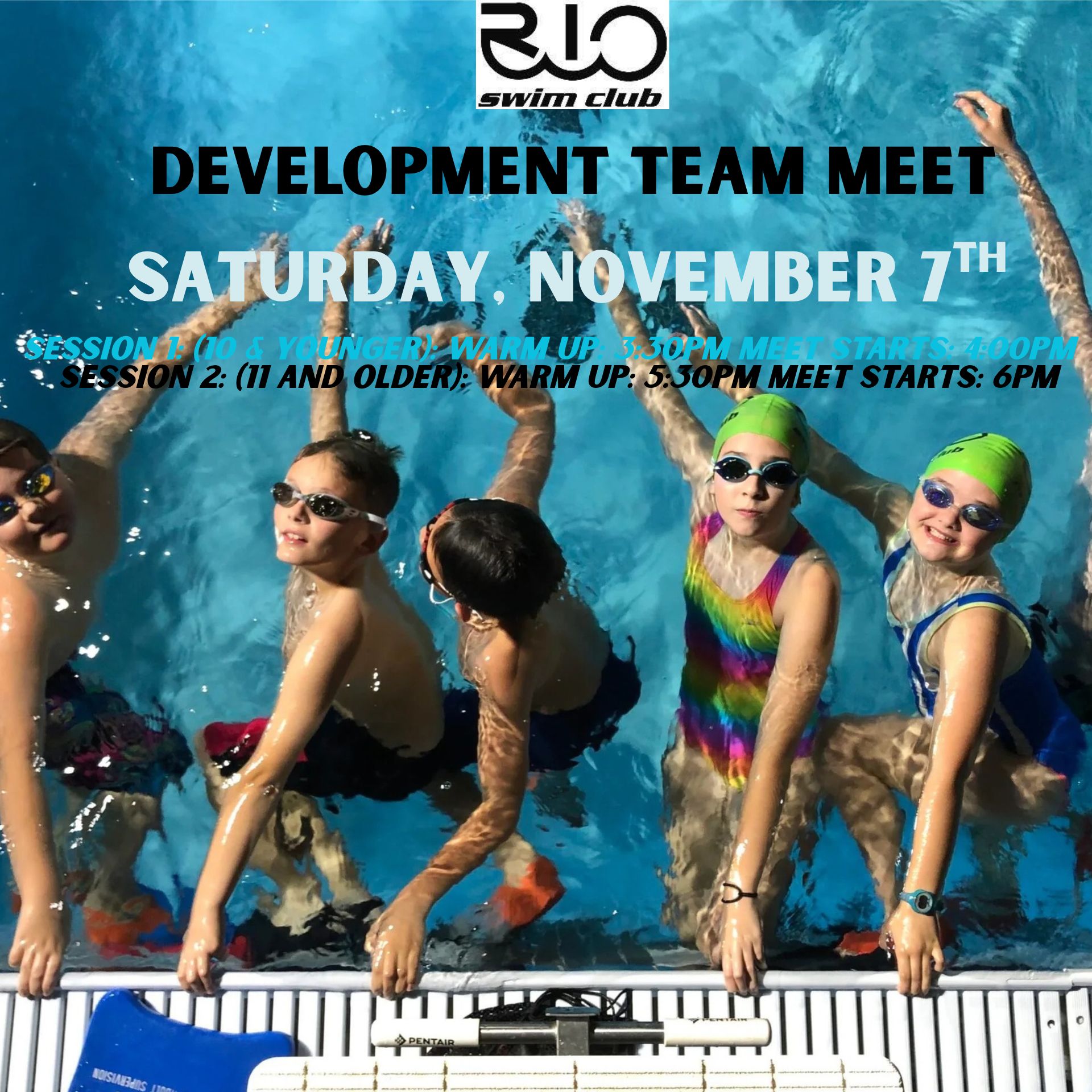
If a storm keeps you off the road, missed lessons can be made up within six months of the absence while your child is enrolled, per EVO's policies and procedures. Makeups are scheduled through the front desk a maximum of two business days in advance. Families with swimmers on the Rio Swim Team, which trains in outdoor pools, can check with the office about practice updates during storm season.
Warm, consistent water and indoor pools mean neither a cold snap nor a monsoon storm has to interrupt your child's progress at EVO Swim School in Gilbert and Mesa.
Join us today and find a class time that fits your schedule, or call EVO Swim School at 480-404-6191.
The average pool temperature for general family and adult recreation is about 78 to 82 degrees Fahrenheit, which balances comfort with energy efficiency. Pools used mainly by young children are usually kept a few degrees warmer.
Yes. Above about 90 degrees, water is warmer than a standard recreational pool and can leave swimmers tired, flushed, or light-headed. The exception is classes for children age 3 and under, where the AAP recommends roughly 87 to 94 degrees.
Indoor pools remove the direct lightning exposure of an outdoor pool. Caution is still sensible indoors, and each facility follows its own weather protocols, so follow staff instructions if a storm moves in.
Not necessarily. Stopped rain or a patch of blue sky does not mean the storm has passed. Wait at least 30 minutes after the last thunder or lightning before swimming again.
No. Carports, covered patios, pool pavilions, gazebos, and isolated trees do not count as safe shelter from lightning. Head into a fully enclosed building with walls and a roof.
Or register via phone 480-404-6191