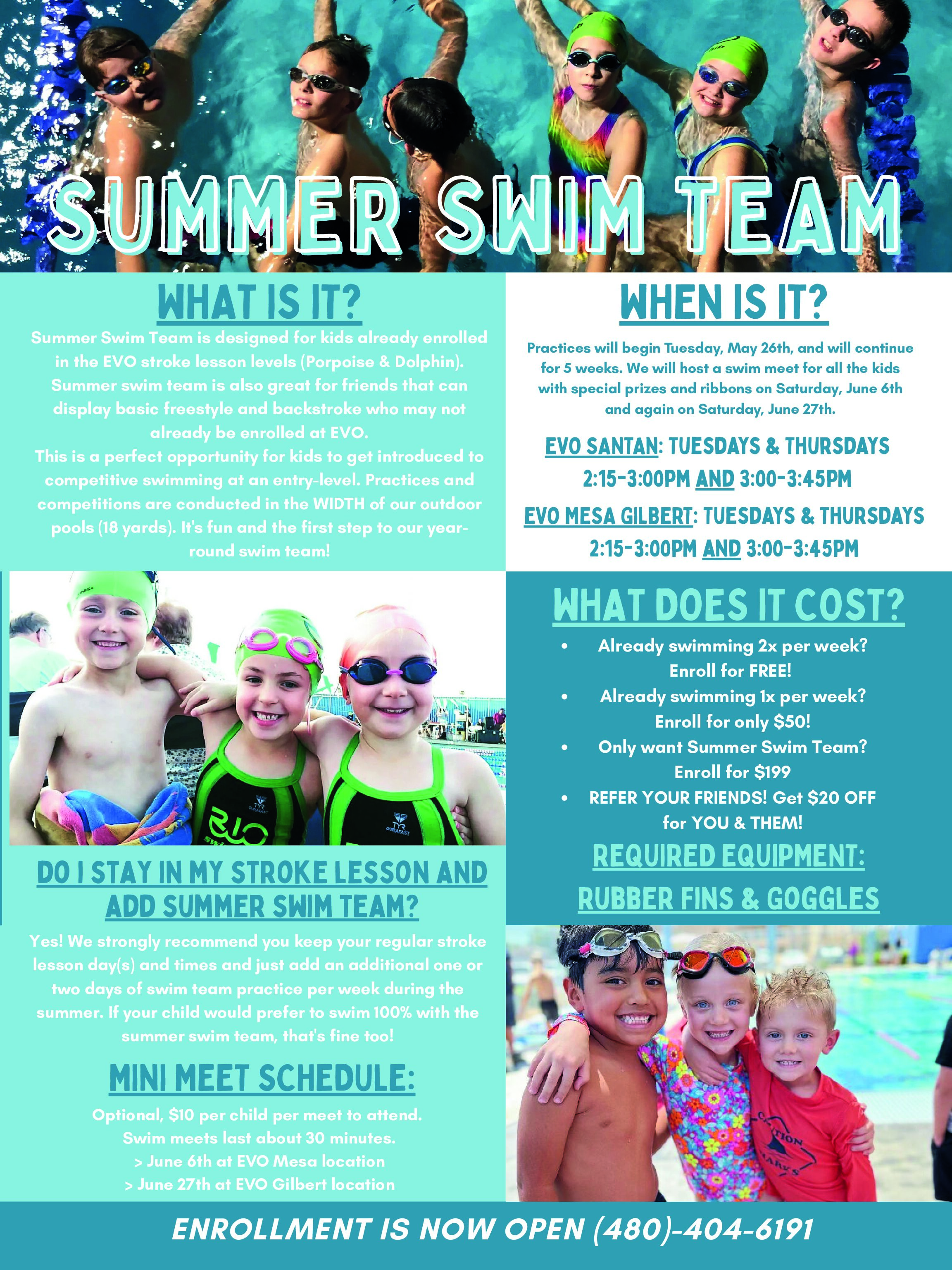
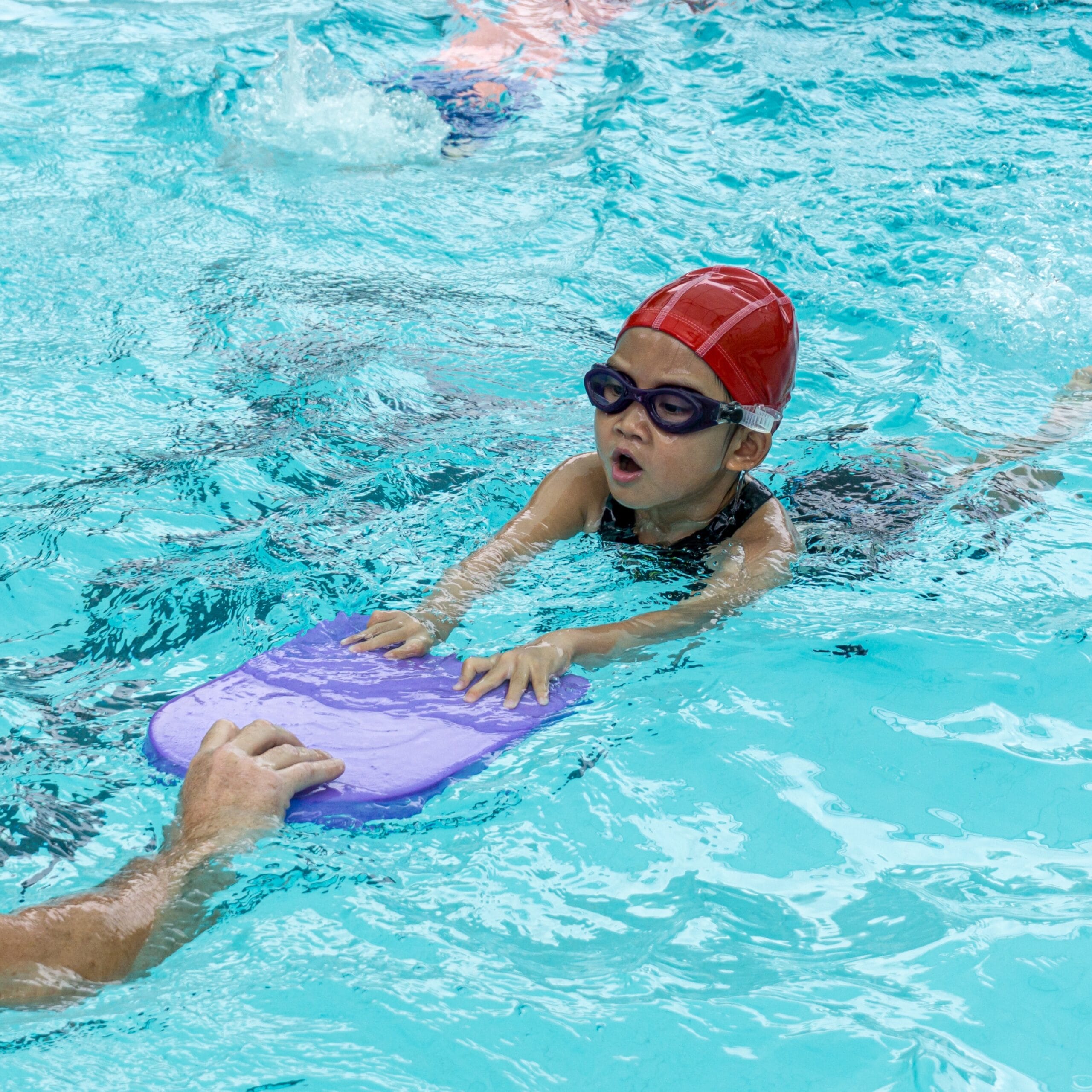
She grips the pool edge so tightly her knuckles turn white. Her eyes are wide. Her lip trembles.
If this scene feels familiar, you are not alone. Fear of water is one of the most common challenges young children face, especially during toddler swim lessons. And in Arizona, where backyard pools line nearly every street and pool parties are a childhood rite of passage, that fear can feel especially urgent to address.
The good news? That fear does not have to last. With patience, the right approach, and a supportive environment, children who once cried at the sight of a pool can grow into confident, happy swimmers.
Here is what parents and professionals across Gilbert, Mesa, and the East Valley need to know.
Before you can help your child, it helps to understand where the fear comes from.
For some toddlers, water simply feels unfamiliar. The sensation of buoyancy, the sound of splashing, and water on their face can all feel overwhelming at once. Others develop fear after a negative experience, like slipping in the bathtub or getting water up their nose unexpectedly.
Sensory factors play a role, too. The smell of chlorine, a sudden change in water temperature, or echoing voices bouncing off tile walls can unsettle sensitive kids. Some children develop fear after watching a sibling or friend panic in the pool.
And some kids are simply cautious by nature. They need time to observe, process, and feel safe before trying something new. That is not a flaw. That is their way of making sense of the world.
Whatever the source, the fear is real. And forcing a child into the water before they are ready almost always makes things worse.
Most water fears fall into a few predictable categories. Knowing what to look for makes it easier to respond the right way.
Fear of water on the face. This is the most common one. At home, let your child pour water over their own head during bath time at their own pace. Blowing bubbles into a shallow bowl is another simple way to build comfort.
Fear of letting go or floating. Children who resist floating often fear losing control of their bodies. Hold them securely and release gradually, one hand at a time, so they can feel supported the entire way.
Fear of water in the ears or eyes. Goggles and earplugs can make a meaningful difference here. Removing that physical discomfort frees your child to focus on what their coach is teaching instead of bracing against it.
Fear of the deep end. Many children feel perfectly safe in shallow water but tense up the moment they cannot touch the bottom. Swimming lessons for toddlers should stay in shallow, comfortable depths until real confidence takes root.
Water confidence can start long before your child's first day of swim lessons for toddlers.
Make bath time playful. Use cups, toys, and gentle splashing to create positive associations with water. Let your child pour water over their own head when they feel ready, not before.
Talk about swimming positively. Read picture books about the pool. Watch short videos of children laughing and playing in the water. These small moments shape how your child thinks about swimming before they ever step on a pool deck.
Visit the pool without any pressure. Take your child to observe a class before enrolling them. Watching other kids their age laugh, splash, and have fun in the water does more to reduce anxiety than any pep talk.
For Arizona families, where backyard pools and neighborhood splash pads are part of daily life, these early steps carry even more weight.
Not all pools work well for nervous swimmers.
Loud, echoing spaces packed with crowds of children can overwhelm an anxious toddler before they even touch the water. Indoor facilities with calm water, warm air, and smaller class sizes tend to work much better for beginner swimming lessons.
At EVO Swim School, our Gilbert and Mesa locations were designed with exactly this in mind. We use rim flow gutters to keep the pool surface calm, and our climate-controlled facility stays comfortable year-round. Our parent viewing room lets you watch your child's progress without hovering poolside.
Tears on day one are completely normal. Coaches who work with toddler swimming lessons expect them and are fully prepared. Crying does not mean something is wrong. It means your child is processing a big, unfamiliar experience.
At EVO Swim School, our instructors know when to offer a reassuring word, when to redirect with a game, and when to gently encourage the next small step forward.
Our Parent-Tot classes, including Starfish and Pufferfish, keep you right in the water with your child. For fearful toddlers, having a parent within arm's reach makes all the difference in the world.
As confidence grows, children transition into entry-level classes like Otter and Seal, where small group settings continue to nurture trust and independence.
Your reaction matters more than you might think. Children look to their parents for cues about whether a situation is safe or scary.
Stay calm and positive. Even if your child is crying, keep your body language relaxed. Smile. Wave. Your steady presence tells them everything is okay.
Resist the urge to rescue. Pulling your child out at the first sign of tears sends the message that water is something to escape from. Trust the process and trust your child's coach.
Celebrate the small wins. Did your child put their chin in the water today? Kick their feet for the first time? Blow a single bubble? Those are real victories, and acknowledging them fuels the next one.
Be consistent. Regular swimming lessons for toddlers create routine, and routine builds the kind of trust that fear cannot easily undo.
If you work with young children professionally, these same principles apply in your setting.
Build trust before pushing boundaries. Let a nervous child sit on the edge and observe before expecting them to get in. Use consistent routines so they always know what comes next.
Watch for sensory triggers. A child who covers their ears may be overwhelmed by echoing sounds. One who resists face submersion may simply need goggles to feel secure.
Communicate with parents so they can reinforce the same strategies at home. Consistency between the pool and the household speeds progress.
Swimming lessons for beginners are about so much more than strokes and kicks. They teach children that they can face something that scares them and come out stronger on the other side. That lesson carries far beyond the pool deck and into every part of growing up.
Families across Gilbert, Mesa, Chandler, and the East Valley trust EVO Swim School to guide their children through this journey. Our patient coaches, calm water, and welcoming environment help even the most nervous swimmers find their confidence one step at a time.
Ready to help your child overcome their fear of water? Join us today and find the right class for your family. Questions? Call us at 480-404-6191.
Yes. Crying is very common during toddler swim lessons, especially for children under three. Most kids adjust within a few consistent sessions as they build trust with their coach and the environment.
It varies from child to child. Some feel comfortable within a few sessions, while others need several weeks of consistent beginner swimming lessons before the fear begins to ease.
For most children, having a parent nearby provides reassurance. At EVO, our viewing room lets you observe your child's progress without being poolside, which gives them space to build independence.
Earlier is often better. Swim lessons for children as young as two help build comfort with water before deep-rooted fear has a chance to take hold.
Skilled instructors use games, songs, and gradual exposure to coax reluctant swimmers in at their own pace. Progress may be slow at first, but with patience and consistency, it comes.
Or register via phone 480-404-6191