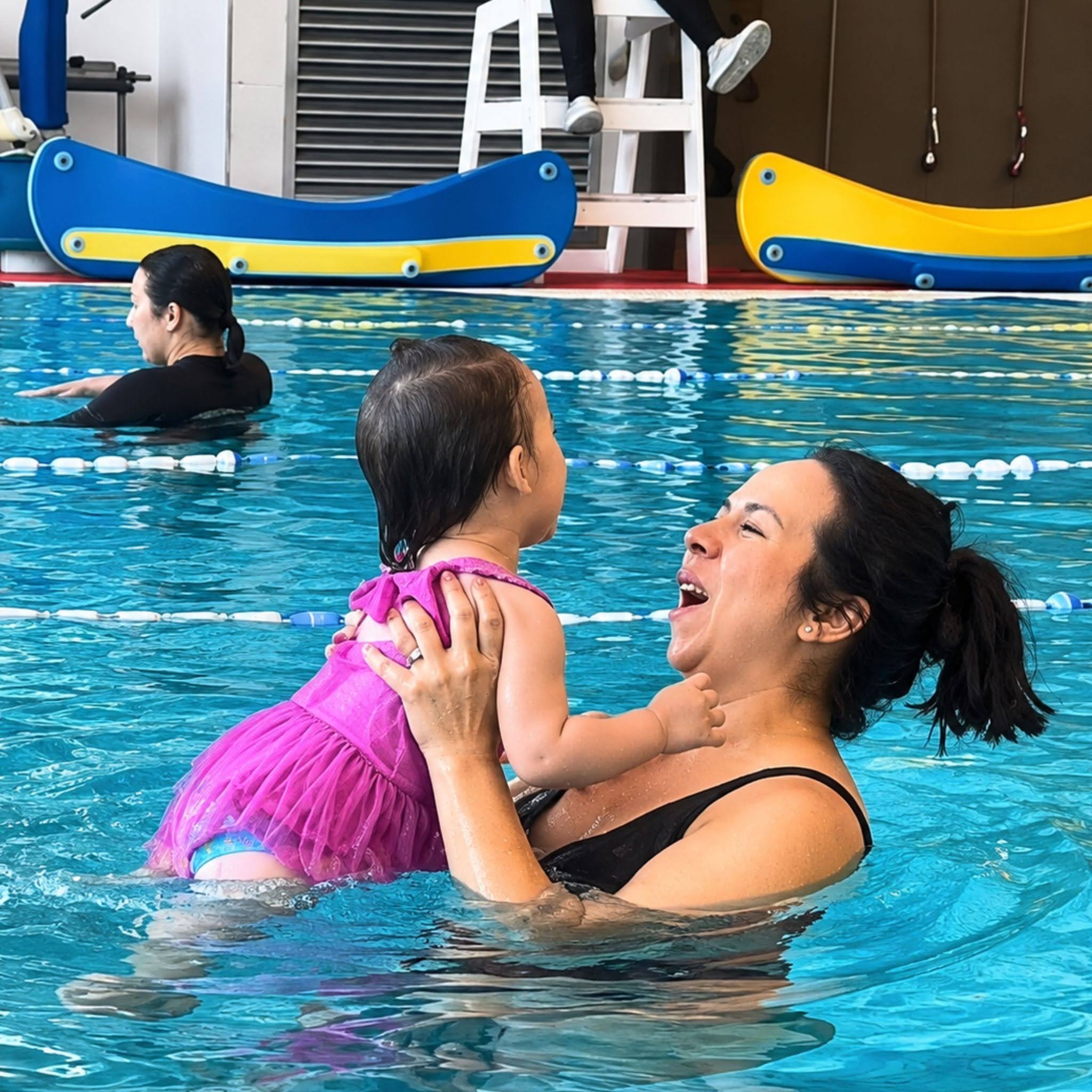
For new parents in Mesa, few questions feel more important than keeping a baby safe around water. In a state full of backyard pools, that instinct starts early, and so can swim lessons. Baby classes introduce your little one to the water gently, building comfort and a positive relationship with the pool long before any formal swimming begins.
If you are considering infant swim lessons in Mesa, AZ, it helps to know when to start, what a class actually involves, and what the research does and does not support. Here is what parents need to know before that first splash.
A baby's first experience in the water should be warm, calm, and shared with a parent. That is exactly how EVO structures its youngest classes.
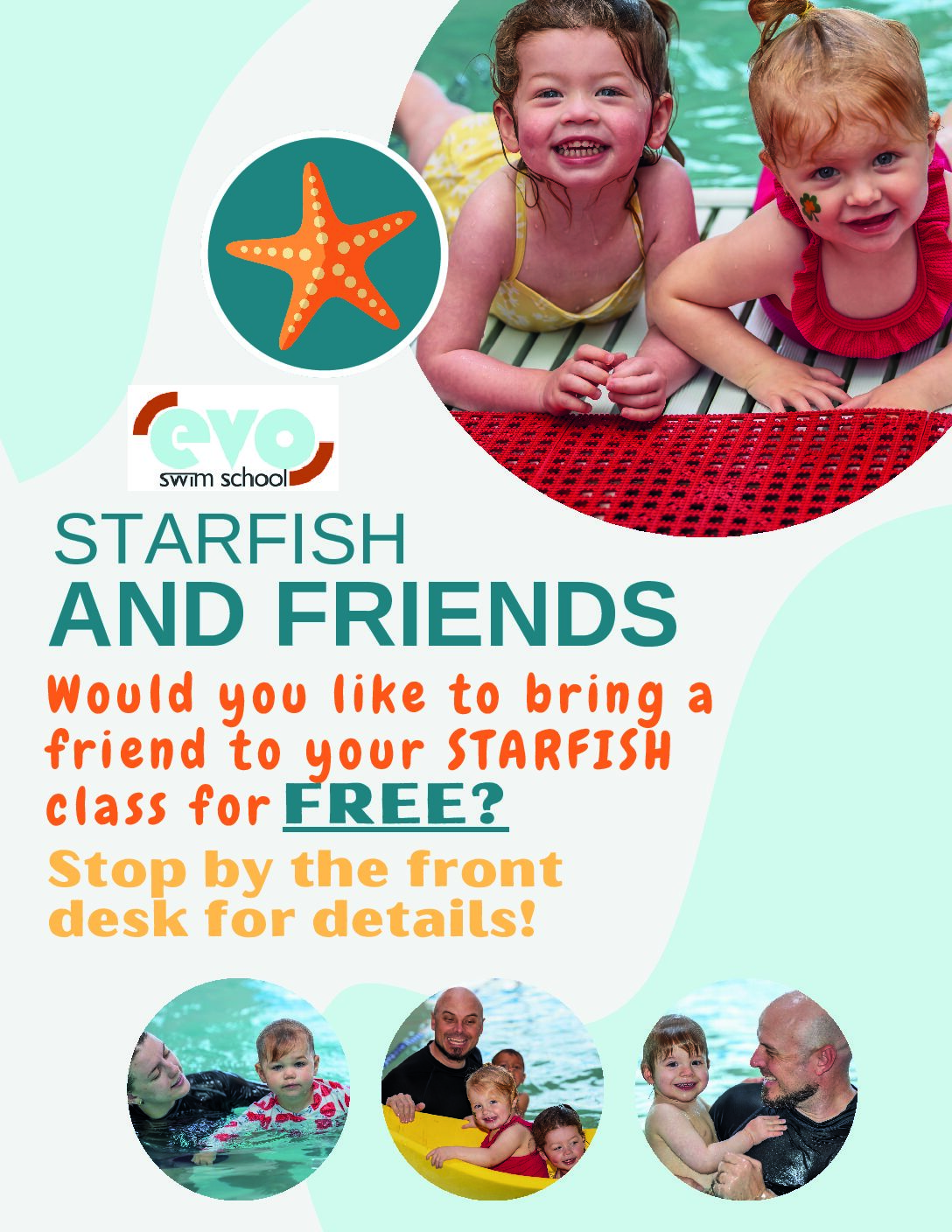
At EVO Swim School's Mesa location (3727 S. Power Rd.), baby classes start with the Starfish parent-tot class, which welcomes infants as young as 3 months. A parent or caregiver stays in the water for the entire session, and the focus is water acclimation, gentle bonding, and simple routines like supported floating, not stroke work. Lessons take place in a warm, indoor, climate-controlled pool, so Arizona heat and monsoon weather never get in the way. As your child grows, the class progression continues into entry-level lessons without a parent in the water. You can browse class times at the Mesa pool to find a slot that fits your family.
The answer depends on what you mean by lessons. Water comfort and formal swim instruction are two different stages, and pediatric guidance draws a clear line between them.
Babies can begin gentle, parent-led water classes as early as a few months old, and these early sessions are about comfort and bonding rather than swimming. The American Academy of Pediatrics recommends formal swim lessons as a layer of drowning protection starting around age 1 for many children, and it does not recommend formal swim programs for babies under 1, since there is no evidence they lower drowning risk at that age. For infants, in other words, a parent-child water class is a wonderful way to build familiarity and ease, while true survival-skill instruction comes a little later. Every child develops differently, so if you are unsure, your pediatrician can help you decide when your baby is ready.
Knowing what actually happens in a baby class makes that first lesson far less nerve-wracking.
A typical baby class is short, warm, and playful. With you holding your baby, an instructor leads gentle activities: blowing bubbles, splashing, supported back floating, and getting used to water on the face and shoulders. Songs and repetition keep things fun and predictable, which is exactly how babies build comfort. Sessions are kept brief because little ones lose body heat quickly, and a warm towel is ready the moment class ends.
Not every program is set up for infants. The American Academy of Pediatrics suggests looking for a few specific things: warm water, ideally heated to between 87 and 94 degrees for children age 3 and under, qualified instructors, and the chance to watch a class before enrolling. Touch supervision, meaning an adult within arm's reach at all times, should be built into how the class runs. A clean, well-maintained pool matters too, since young children are more likely to swallow water.
As valuable as lessons are, no class makes a baby safe on its own. Pediatric experts are clear that swim lessons work alongside other protections, never in place of them.
Swim lessons do not make a child drown-proof. For babies especially, close and constant supervision is the most important safeguard, with an adult always within arm's reach near water. Secure four-sided pool fencing, removing access to water during non-swim times, and Coast Guard-approved life jackets around open water all matter just as much. Most young-child drownings happen when a child was not expected to be in the water at all, which is why layers of protection, not any single one, keep babies safe.
Baby classes are less about teaching a newborn to swim and more about building comfort, connection, and the foundation for water safety down the road. Starting early, gently, and with a parent in the water gives your child a calm, positive first relationship with the pool. Whenever your baby is ready, Evo Swim School at Mesa offers an open year-round program with indoor, climate-controlled pools and a guaranteed makeup lesson any time a holiday falls on your class day, making it easy to begin.
Ready to introduce your baby to the water? Join us today and browse available class times at the Mesa location, or call EVO Swim School at 480-404-6191.
At EVO in Mesa, babies can begin the Starfish parent-tot class as young as 3 months, with a caregiver in the water. Early classes focus on comfort and bonding. Formal swim instruction, per the American Academy of Pediatrics, becomes a drowning-prevention layer starting around age 1.
Parent-child water classes are safe and enjoyable for infants when the water is warm, the pool is clean, and an adult stays within arm's reach. The AAP does not recommend formal, independent swim programs for babies under 1, but gentle acclimation classes with a parent are a positive experience.
Not on their own. Swim lessons are one layer of protection, not a guarantee. For babies, constant supervision, four-sided pool fencing, and blocking access to water during non-swim times stay essential no matter how comfortable a baby becomes in the pool.
A swimsuit and, for any child under 3, an approved reusable swim diaper, regardless of potty-training status, which keeps the pool clean for everyone. Bring a warm towel for right after class, since babies lose heat quickly.
Baby classes are kept short, since little ones cool down and tire faster than older children. A brief, warm, playful session does more for a baby's comfort than a long one, and a warm towel afterward helps them stay cozy.
Or register via phone 480-404-6191