Drowning is the leading cause of death for Arizona children ages 1 to 4. In a state where backyard pools are in nearly every neighborhood and water access never shuts down for winter, that statistic hits close to home for East Valley families. In 2024, Maricopa and Pinal counties recorded 79 water-related deaths, including 18 children under the age of 5, according to Children's Safety Zone.
The good news: Drowning is preventable. Not with a single fix, but with layers of protection working together. Here is what every parent in Gilbert, Mesa, and the surrounding East Valley needs to know.
Arizona's relationship with water is different from most of the country. The risks are present year-round, and the conditions that create them are built into daily life.
Residential pools are everywhere in the East Valley. Neighborhoods in Gilbert, Mesa, Chandler, and Queen Creek were built around outdoor living, and a pool in the backyard is closer to the norm than the exception. Most drowning incidents involving children under 5 happen during non-swim times, when no one expected the child to be near water.
Unlike states where harsh winters close pools for months, Arizona's mild climate keeps water accessible in every season. The Drowning Prevention Coalition of Arizona notes that families tend to drop their guard outside of summer, but in the East Valley, the risk does not take a season off.
No single measure prevents drowning on its own. The Drowning Prevention Coalition of Arizona teaches the ABCs of water safety:
Add CPR knowledge, and you have the framework that safety experts consistently recommend.
Active supervision means one designated adult is watching the water at all times, not on a phone and not in a side conversation. At gatherings, assign a specific water watcher and rotate every 15 minutes. Young children should have an adult within arm's reach whenever they are near water. Drowning is fast and almost always silent.
Arizona law requires residential pools deeper than 18 inches and wider than 8 feet to have a barrier at least 5 feet tall with self-closing, self-latching gates. Beyond fencing, effective barriers include door and window alarms on entrances that lead to the pool area and removing toys and floats from the water during non-swim times.
Swim lessons are a recognized layer of drowning prevention, not a replacement for supervision or barriers. The American Academy of Pediatrics includes swim instruction in its multi-layered safety strategy. A 2009 study by Brenner et al. in the Archives of Pediatrics and Adolescent Medicine found that formal swimming lessons were associated with a significant reduction in drowning risk among children ages 1 to 4.
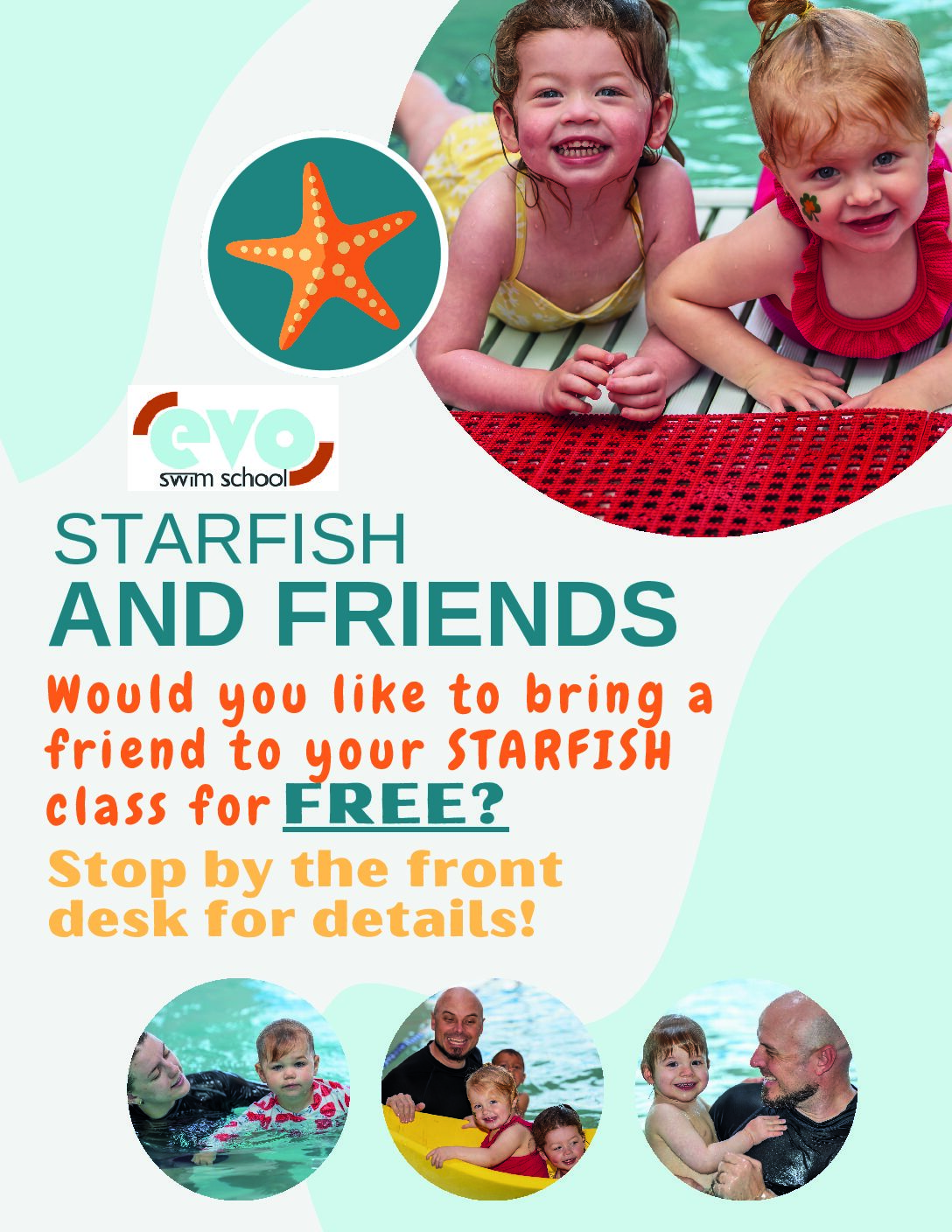
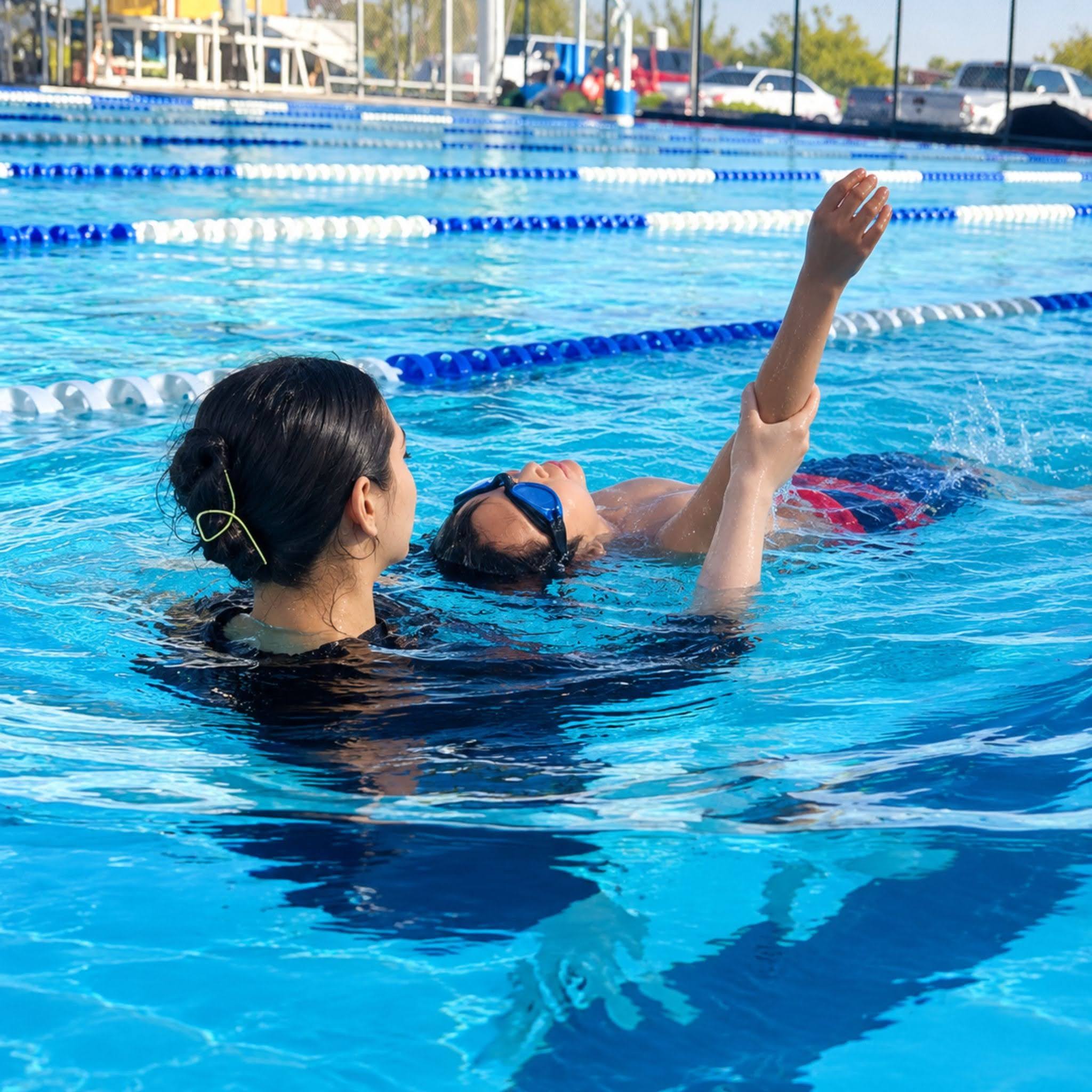
Structured programs teach water comfort, breath control, floating, orientation to the pool wall, and basic self-rescue skills. At EVO Swim School, water safety is built into every level, starting with the Starfish parent-tot class for babies as young as 3 months and building through entry-level classes like Otter and Seal.
If a drowning does occur, the minutes before first responders arrive are critical. Bystander CPR can double or triple a victim's chance of survival, according to the American Heart Association. Many organizations in the East Valley offer CPR classes for parents and caregivers.
Setting the right expectations around swim instruction matters just as much as signing up.
A child who has been through a structured program is more likely to stay calm around water. They may be able to hold their breath, roll to a back float, orient toward the wall, or call for help instead of panicking silently. Skills like these develop gradually over months of consistent instruction, not from a single camp session.
No amount of instruction makes a child drown-proof. The AAP (American Academy of Pediatrics) is clear: formal lessons are one part of a broader strategy. Treating them as a standalone solution can create a false sense of security. Parents who believe their child "can swim" may relax supervision or assume risk has been eliminated. It has not. Layers work together.
Prevention is also about habits your family practices every day. The rules below are simple enough for young children to learn and important enough to repeat often.
Water safety is not a separate curriculum at EVO. It is built into every class, from the earliest parent-tot sessions through advanced stroke development.
All classes at EVO take place in climate-controlled indoor pools with warm water and calm surfaces from rim flow gutters. Arizona heat, monsoon storms, and triple-digit pool deck temperatures are never a factor. Instruction runs year-round, so children build and maintain skills consistently.
EVO's small-group format allows coaches to monitor each child closely and tailor instruction to individual comfort levels. Parents can observe from the viewing room with free Wi-Fi while their child builds skills in a structured environment.
Ready to add swim lessons to your family's drowning prevention plan? Join us today and find the right class at EVO Swim School in Gilbert or Mesa, or call us at 480-404-6191.
Formal swim lessons are one important layer of drowning prevention, alongside active supervision, pool barriers, and CPR knowledge. Published research has associated formal swim lessons with a reduced risk of drowning in young children, but no single layer, including swim lessons, eliminates risk. Multiple layers of protection together give children the best safety outcome.
EVO's Starfish parent-tot class welcomes babies as young as 3 months old to begin building comfort and familiarity with water, which is an early foundation for later water-safety skills. Structured skill-building typically becomes more formal starting around age 2 in EVO's Otter and Seal classes.
Install proper fencing with self-closing, self-latching gates around the pool area, use door and window alarms if the pool is accessible from the house, keep rescue equipment nearby, and never leave children unsupervised near water, even for a moment.
Yes. Knowing CPR is considered one of the key layers of water safety alongside supervision, barriers, and swim lessons. Many local organizations in the East Valley offer CPR certification classes for parents and caregivers.
Yes. Water safety and comfort are built into every level of EVO's curriculum, starting with the Starfish parent-tot class and continuing through more advanced skill and stroke development at each stage.
Or register via phone 480-404-6191