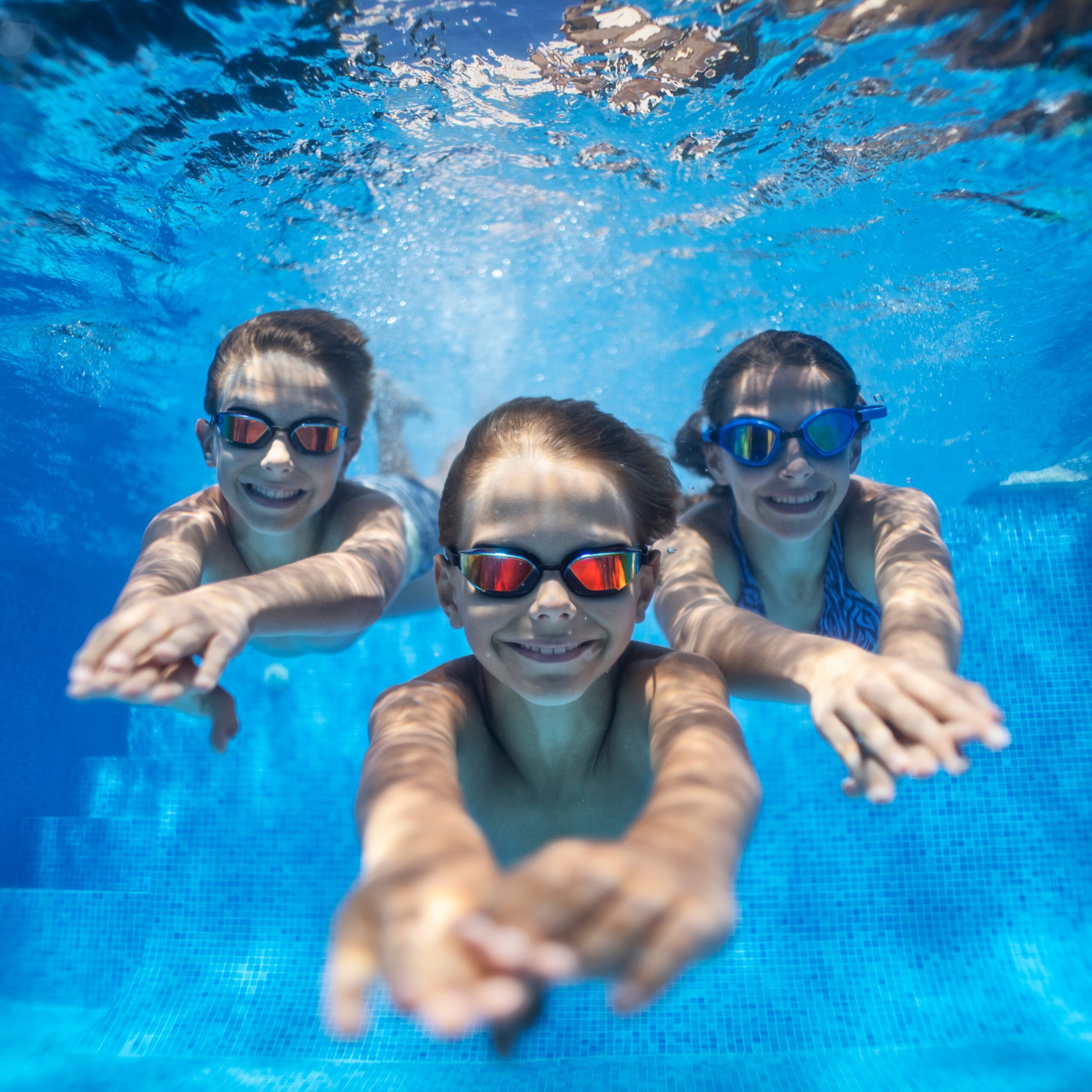
Arizona's monsoon season turns calm summer afternoons into sudden thunderstorms, often with very little warning. For families in Gilbert and Mesa with a backyard pool or a standing swim routine, that raises a real safety question: what do you do when lightning shows up while the kids are in the water?
The rule from weather and safety authorities is simple and strict. When you hear thunder or see lightning, everyone gets out of the water right away. Storm safety is one of the most important parts of overall swimming safety, and knowing the plan ahead of time keeps a fun pool day from turning dangerous.
Monsoon storms are exactly why so many East Valley families move swim lessons indoors. Outdoor pools clear out the moment thunder rolls in, but an enclosed indoor program runs on a far steadier schedule.
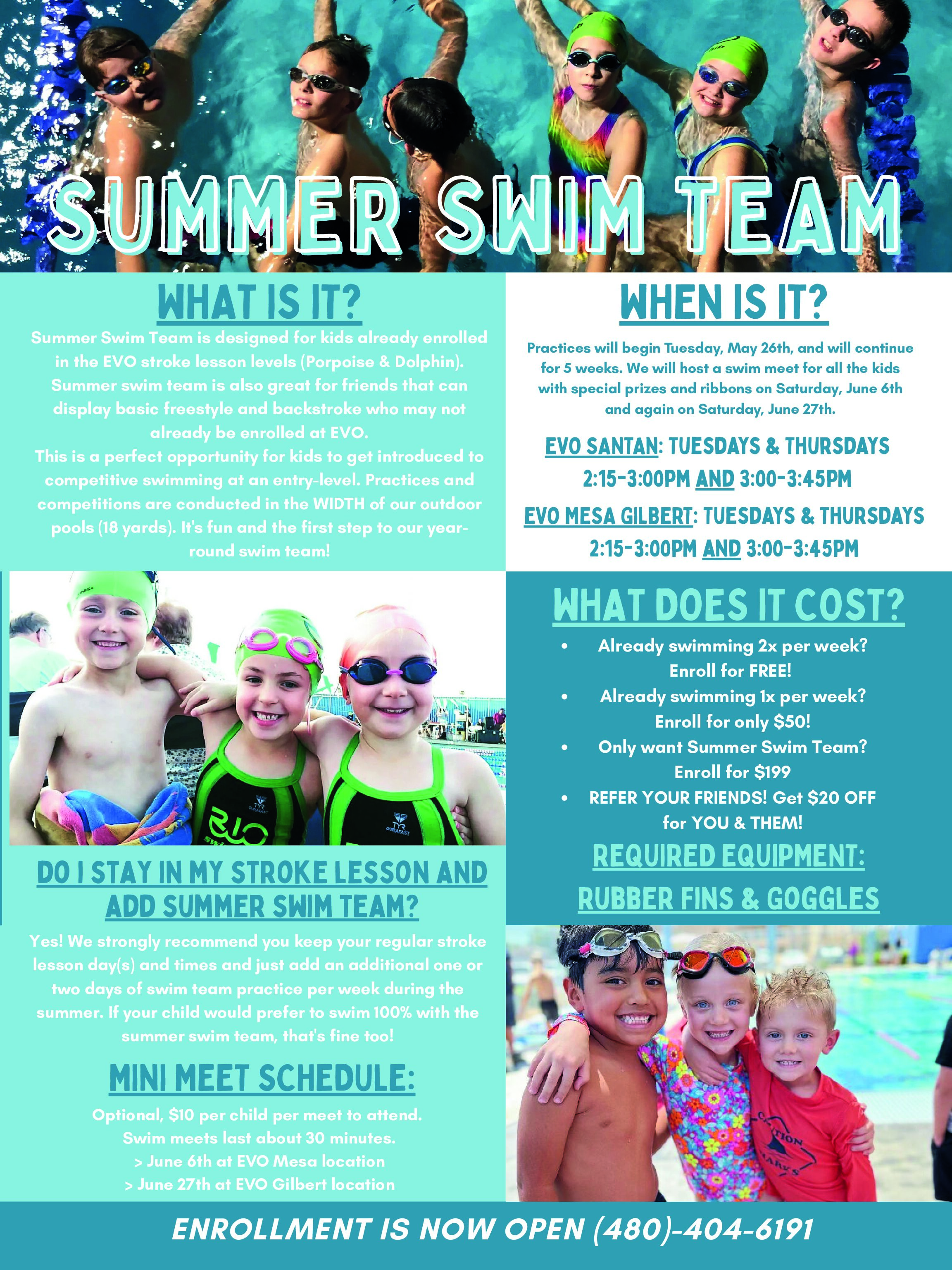
At EVO Swim School, lessons take place in indoor, climate-controlled pools at both the SanTan Gilbert and Mesa locations. Swimming inside removes the direct lightning exposure that makes outdoor pools so dangerous during a storm, and it means monsoon weather rarely disrupts a lesson the way it shuts down a backyard or municipal pool. Classes run year-round, from parent-tot through entry-level and beyond, so your child keeps progressing through storm season. EVO follows its own weather and safety protocols, and parents can browse class times to build a routine that holds up all summer.
The short answer from every major safety authority is no. Here is why water and lightning are such a dangerous combination.
Swimming during a thunderstorm is dangerous in any open water, whether that is a backyard pool, a community pool, a lake, or the ocean. Lightning injures and kills dozens of people in the United States every year, and many of those incidents happen in or near water. Blue sky overhead does not mean safety either, because lightning can strike up to 10 miles from the rain it belongs to. If you can hear thunder, you are already within striking distance, which is why there is no safe time to stay in outdoor water once a storm is near.

Storm readiness works best as one habit inside a broader approach to safety in a swimming pool. A little planning before monsoon season peaks goes a long way.
Storms are part of every Arizona summer, but they do not have to derail your child's progress or their safety. Get everyone out of the water at the first sign of thunder, wait it out fully, and lean on indoor lessons to keep the routine going when the weather turns.
Ready to keep your child swimming safely through monsoon season? Join us today and browse available class times, or call EVO Swim School at 480-404-6191.
No. Every major safety authority advises getting out of the water at the first sound of thunder or sight of lightning. Water conducts electricity, and a nearby strike can be deadly even without hitting the pool directly. Wait at least 30 minutes after the last thunder before swimming again.
Indoor swimming removes the direct lightning exposure of an outdoor pool, which is why indoor lessons often continue during monsoon storms. Safety authorities still advise general caution indoors during a storm, such as avoiding plumbing and electronics. Each facility, including EVO, follows its own weather protocols.
At least 30 minutes after the last clap of thunder or flash of lightning. If thunder returns during that window, the 30-minute count starts over. The storm is not safe just because the rain has stopped or the sky looks clear again.
After you see lightning, count the seconds until you hear thunder. If thunder arrives in 30 seconds or less, the storm is close enough to be dangerous, so head indoors. Then wait 30 minutes after the last thunder before resuming any water activity.
Water conducts electricity and spreads the charge from a strike over a wide area, and a swimmer is often the most exposed point around. Lightning can also strike miles away from the visible storm, so a sunny sky is no guarantee of safety near water.
Or register via phone 480-404-6191