4 Best Ways to Build Confidence in Your Little Swimmer

Published on August 12, 2026
4 Best Ways to Build Confidence in Your Little Swimmer

Confidence is what turns a hesitant toddler into a happy little swimmer. For a young child, feeling calm and safe in the water comes before any stroke or skill, and it is the foundation everything else is built on. Parents in Gilbert and Mesa often ask how to build confidence in swimming without pushing too hard.

The good news is that confidence grows through small, positive experiences, not pressure. A steady, encouraging approach works far better than rushing. Here are four of the best ways to help your little swimmer feel confident, comfortable, and eager to get back in the water.

How the Right Beginner Program Builds Confidence

A supportive setting does half the work of building water comfort. When a young child feels safe, known, and unhurried, trying new things stops feeling so scary.

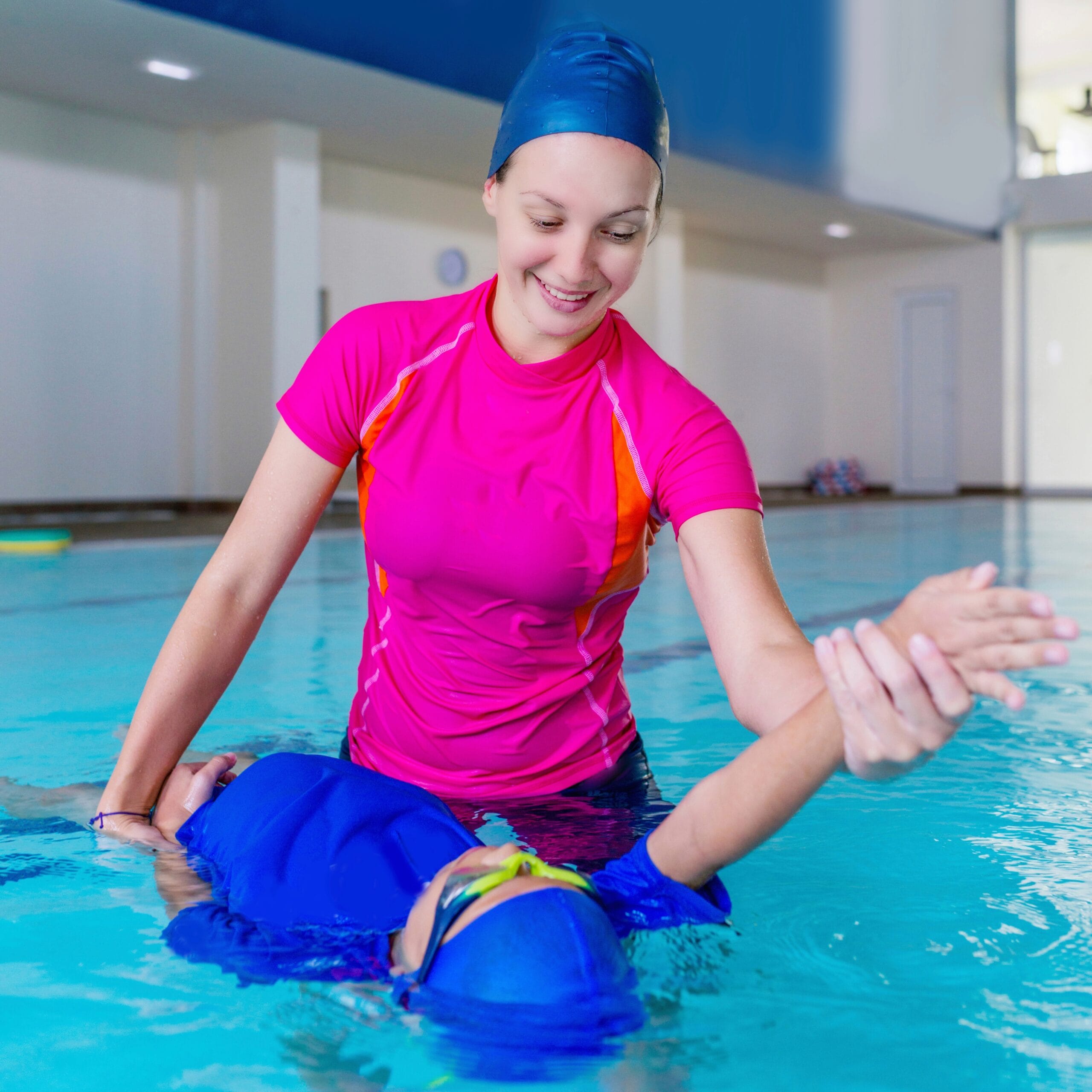
At EVO Swim School, beginner swimming lessons are built around comfort first, with patient coaches who read each child and adjust the pace. 

Small groups mean a nervous child is never lost in a crowd, and the warm, indoor pools at the SanTan Gilbert and Mesa locations keep the setting calm and consistent. Parents can browse class times to find a supportive starting point.

4 Best Ways to Build Confidence in Your Little Swimmer

Building water confidence is less about big breakthroughs and more about a steady rhythm of small, positive steps. The four approaches below help a young beginner feel capable, one calm win at a time.

Start With Comfort, Not Performance

  • Remove the pressure to perform, and confidence has room to grow. 
  • For a little swimmer, the first goal is simply feeling relaxed in the water, not hitting a milestone. 
  • Time spent sitting on the pool steps, kicking gently, or blowing bubbles all counts as real progress. 
  • A helpful mindset shift for parents is to ask "Did they seem more relaxed than last time?" instead of "Did they swim today?" 
  • Relaxation is usually the first sign confidence is building.

Build Confidence Through Small Wins

  • Confidence grows when a child succeeds at something just within reach. 
  • Break each skill into tiny, achievable steps: bubbles with the lips, then the chin, then the nose. 
  • Each small success tells a child "I can do this," which makes the next step feel possible instead of frightening. 
  • Repeating familiar activities is not boring for a nervous beginner; it is reassuring, and it is exactly how trust in the water develops.

Keep the Environment Calm and Familiar

  • A loud, chaotic pool can overwhelm a young child before a lesson even starts. 
  • A calmer, warmer setting helps little swimmers settle and focus on one skill at a time. 
  • Consistency helps just as much, so a familiar coach, a familiar pool, and a familiar routine let a child relax into whatever comes next. 
  • The more predictable the experience feels, the more a child is able to relax and swim confidently.

Support Water Confidence at Home

  • Confidence built in lessons gets stronger with gentle reinforcement between them. 
  • Keep water play light and fun: let your child pour water, splash, and get used to wet faces in the bath without turning it into a training session. 
  • Talk positively about the next lesson, and remind them of something that went well last time. 
  • Going slowly when a child dislikes water on their head does far more for a child's ease than insisting ever will.

What to Avoid When Confidence Is Low

A few well-meaning habits can quietly set a little swimmer back. Steering clear of these keeps confidence moving in the right direction.

  • Rushing milestones: Pushing a child to swim independently before they feel ready often makes them more resistant, not less. Let readiness lead the way.
  • Comparing swimmers: Children notice when a sibling or classmate seems ahead. Confidence develops at different rates, so measuring your child against anyone else rarely helps.
  • Using fear as motivation: Water safety matters, but scaring a child into caution tends to backfire. Aim for confidence with awareness, not anxiety in its place.
  • Leaning on floaties: Arm floats and puddle jumpers can feel reassuring in the moment, but lasting confidence comes from skills a child owns, not from equipment that props them up.

Helping Your Little Swimmer Feel Confident in the Water

Confidence is not a single breakthrough; it is the quiet moment when the water stops feeling daunting. With comfort first, small wins, a calm setting, and gentle support at home, your little swimmer learns to swim confidently at a pace that feels safe. Progress may look modest week to week, but it adds up to a child who trusts both the water and themselves.

Ready to help your little swimmer build confidence in the water? Join us today and browse available class times, or call EVO Swim School at 480-404-6191.

Frequently Asked Questions

How do you build confidence in a nervous swimmer?

Start with comfort rather than performance, break skills into small achievable steps, and keep the setting calm and familiar. Celebrate quiet progress, like entering the water without fuss, and avoid rushing or comparisons. Confidence grows through repeated positive experiences, not pressure.

At what age can a child start building water confidence?

As early as a few months old in parent-tot classes, with a caregiver in the water. Early, gentle exposure helps a baby form a positive relationship with water. For older beginners, it is never too late to start building comfort and confidence.

How long does it take for a child to swim confidently?

Every child is different. Some settle within a few lessons, while others need several weeks of consistent, low-pressure practice. Progress is rarely a straight line, and wobbly weeks are completely normal. Consistency and patience matter more than speed.

Do floaties help a child swim confidently?

Not in the long run. Arm floats and puddle jumpers can offer short-term reassurance, but they hold children in a position that works against real swimming and create a false sense of security. Confidence lasts when it comes from skills a child actually owns.

Are group beginner swimming lessons good for shy children?

Often, yes. Small-group beginner swimming lessons let a shy child learn alongside a couple of peers while still getting patient, individual attention from the coach. A supportive coach and a calm setting matter more than group size alone.

Evo News & Updates

We offer a wide variety of classes designed to suit all age groups and skill levels, ensuring everyone from beginners to advanced athletes finds the perfect fit.

LEARN TO SWIM TODAY

Your Child's Swimming Dreams Start Here—Where Passion Meets Potential

Find a class

Or register via phone 480-404-6191