Your child can float, kick across the pool, and put their face in the water without a fight. The beginner phase is behind them. And now you are standing on the other side of the viewing glass, asking the question every swim parent eventually asks: Is my child ready for more?
For families across Gilbert, Mesa, and the East Valley, the jump from recreational swim stroke lessons to competitive swimming lessons is one of the most exciting transitions in a child's athletic life. But it also raises real questions. When is the right time? What does that transition actually look like? And how do you get your child from learning strokes in a 30-minute class to racing in a lane?
Here is the honest answer to both.
The readiness for competitive swimming is not just about how well your child swims. It shows up in three areas, and all three need to be developed before the transition makes sense.
Your child should have solid freestyle and backstroke technique, with breaststroke and butterfly actively in progress. Freestyle swimming lessons and backstroke swimming lessons build the foundation that everything competitive rests on. Most children develop this during intermediate swim stroke lessons between the ages of six and ten. Swimming lessons for 6-year-olds who are progressing quickly can begin building toward competitive readiness early, while swimming lessons for 12-year-olds with strong fundamentals across all four strokes often step into competition most naturally.
There is a big difference between swimming one length with decent form and swimming multiple laps of different strokes without falling apart. Competitive swimming demands the ability to hold technique under fatigue, and that only comes from months of consistent strokes swimming lessons that gradually increase distance and intensity.
This one matters more than most parents expect. Competitive swimming means structured practices, early mornings, repetition, and racing against a clock. The children who thrive are the ones who genuinely want to be there, who light up when they touch the wall first, who ask their coach what to work on next. If that drive is coming from your child and not from you, they are ready. If it is not there yet, keep them in advanced swimming lessons and let the desire develop on its own.
Once you know your child is ready, the practical transition follows a clear path.
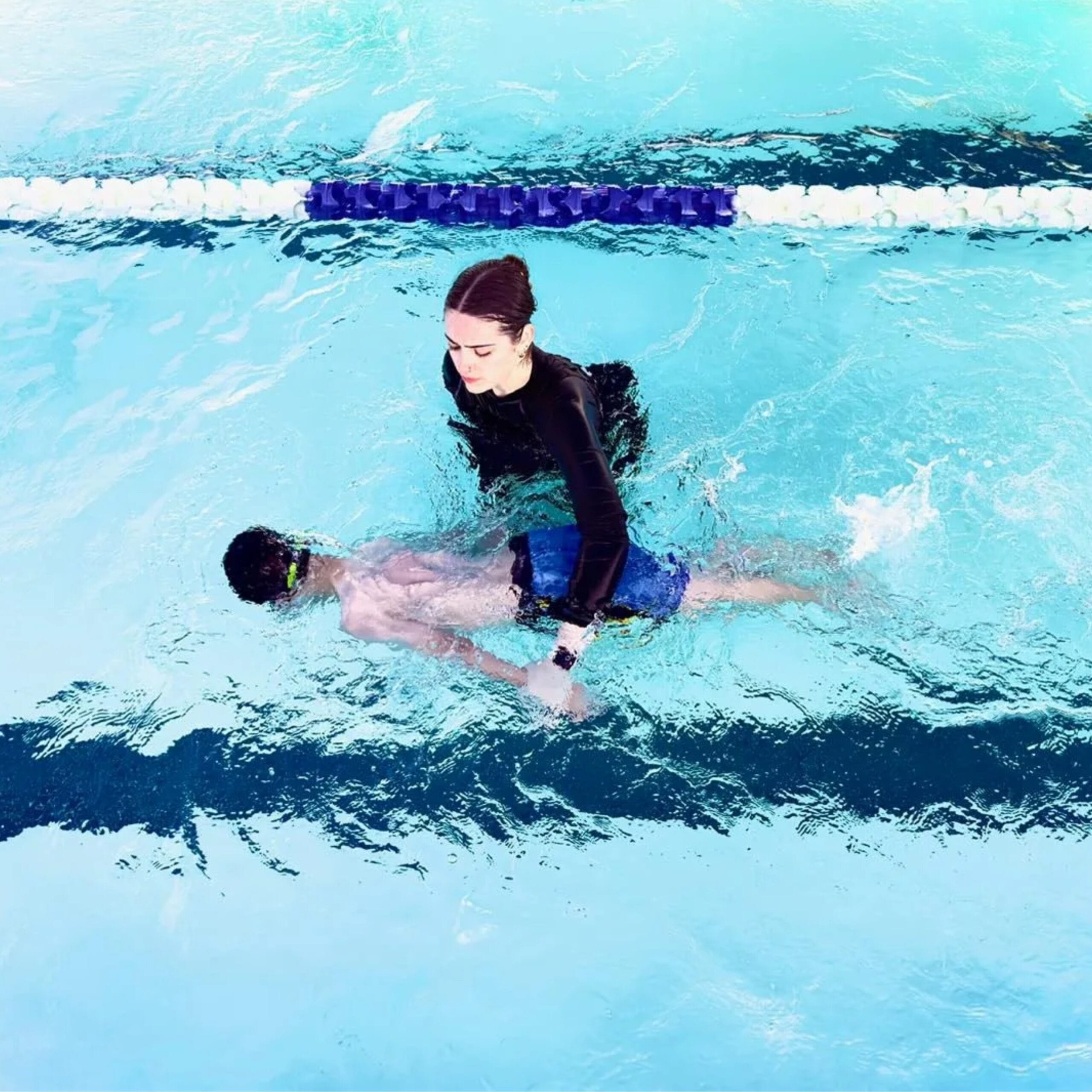
Advanced stroke lessons. The first move is from intermediate stroke work into advanced swimming lessons. The focus shifts from learning strokes to perfecting them. Your child begins working on endurance sets, race starts, flip turns, and maintaining technique across all four strokes at higher speeds. Sessions grow from the 30-minute beginner format into 45-60 minute practices with specific distances and coach-led sets.
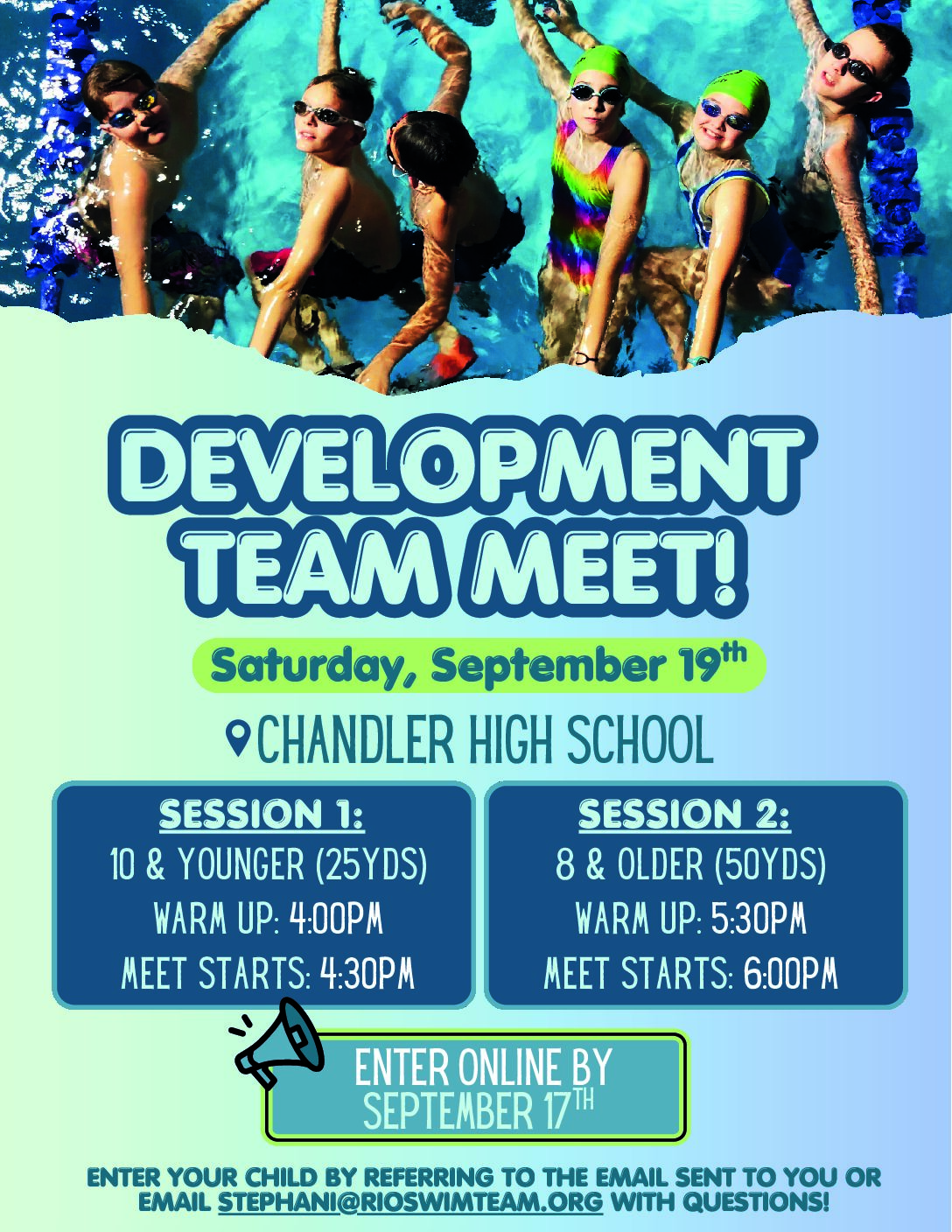
Development team training. From there, your child enters a pre-competitive or development team environment where the energy changes. They start swimming alongside other motivated kids their age, pushing each other through sets, tracking their own times, and training with real purpose. Coaches deliver more detailed technical feedback, and swimmers are expected to apply corrections independently across laps.
First meets. Weekend competitions introduce your child to warm-up lanes, heat sheets, event lineups, and the rush of racing against a clock. For kids who love it, that first meet is the moment swimming stops being an activity and becomes a passion. For others, it confirms they enjoy swimming without the competitive pressure, and that is perfectly fine, too.
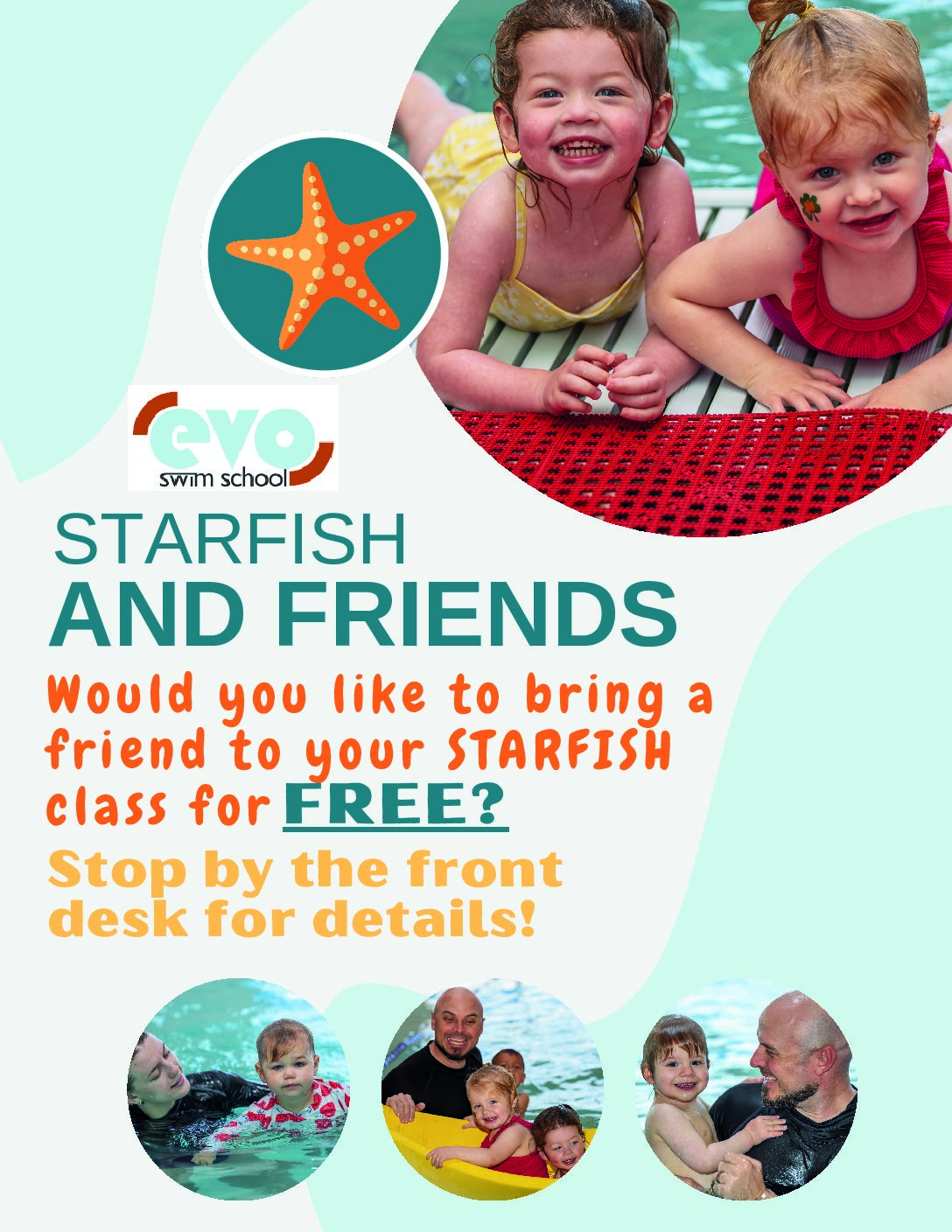
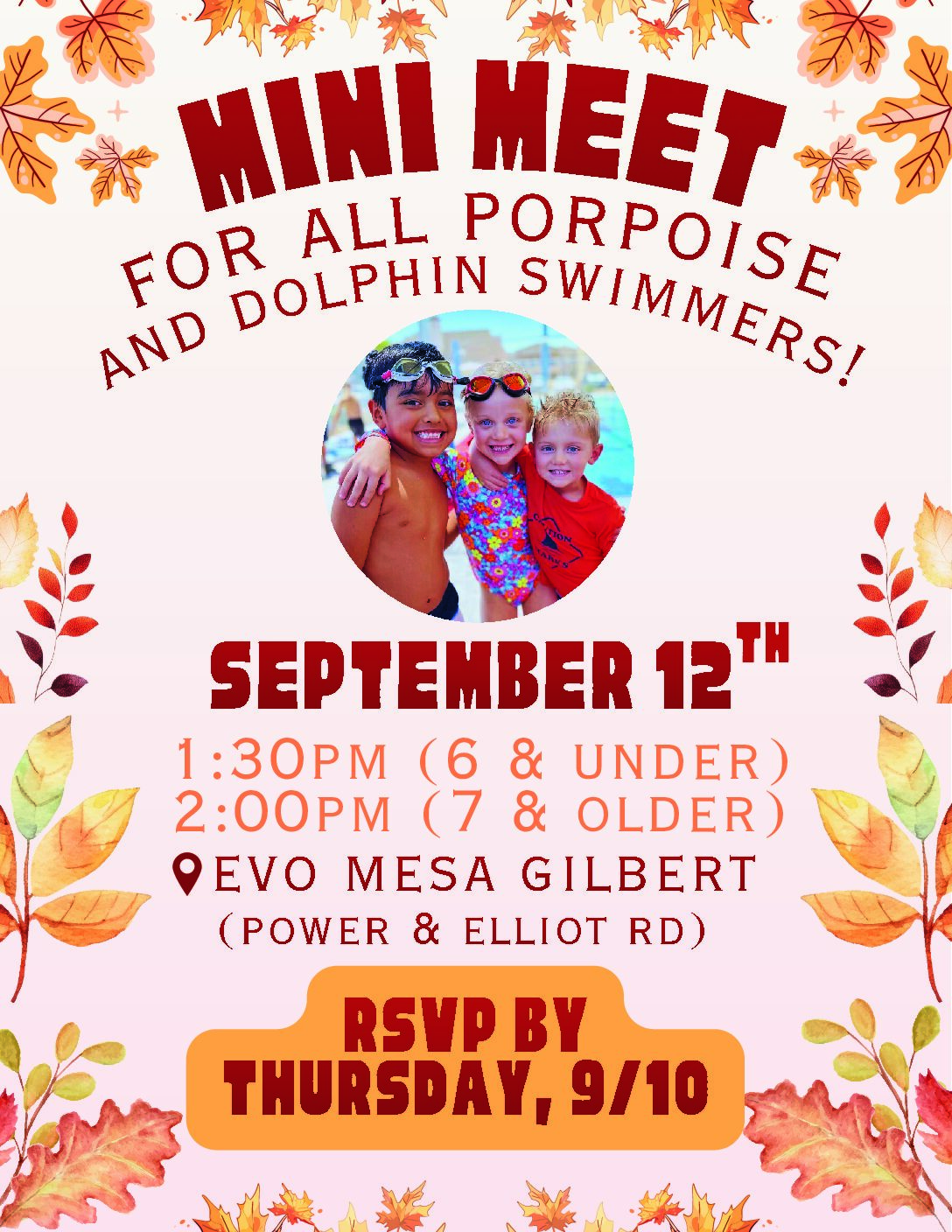
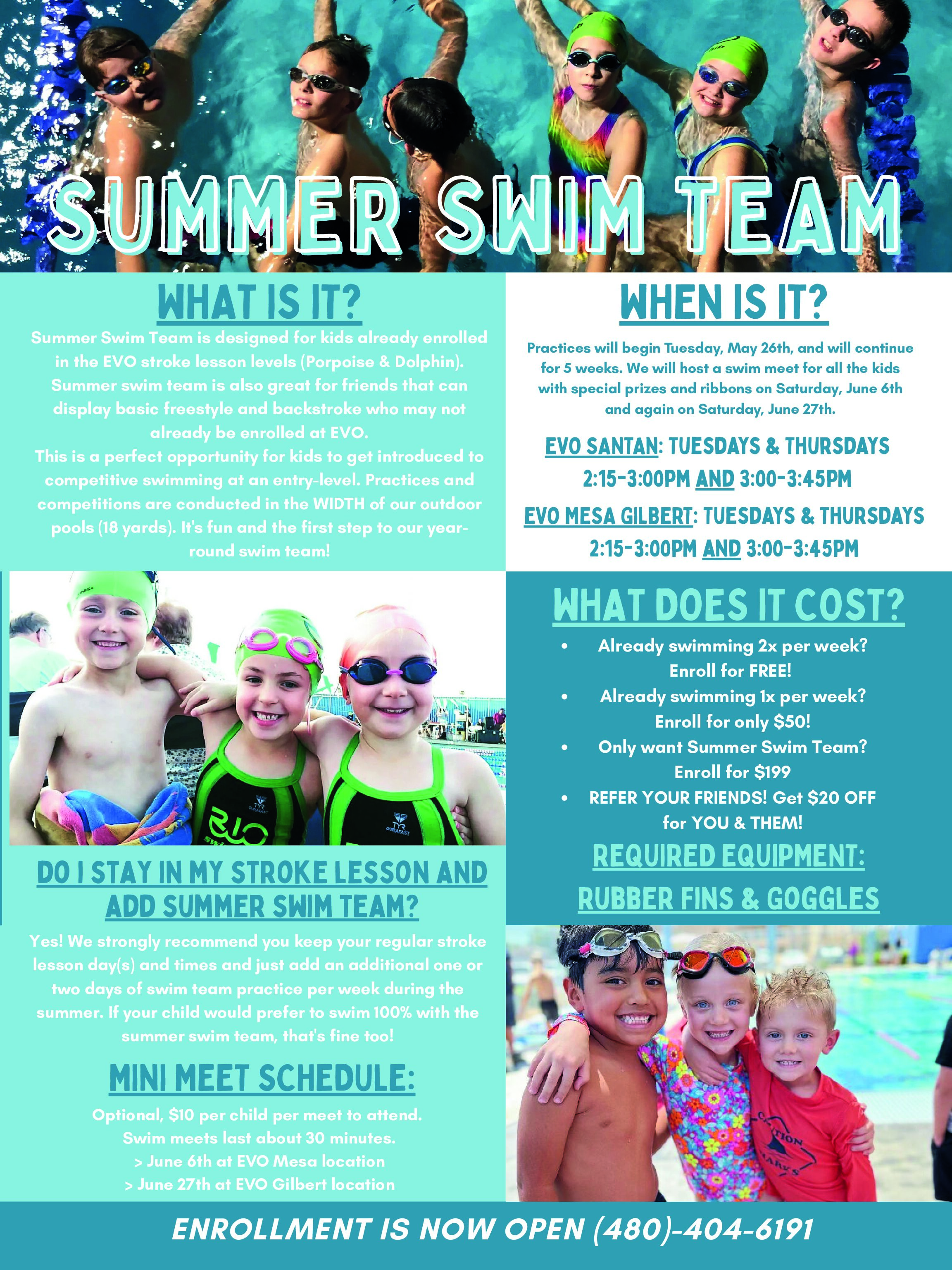
At EVO Swim School, this entire pathway lives under one roof. Your child can start in Starfish and Pufferfish parent-tot classes, build independence in Otter and Seal, develop all four strokes across intermediate levels like Sea Lion, Porpoise, and Dolphin, and refine technique in our Advanced Stroke Class. No switching schools. No starting over. One continuous path from first splash to first race.
Your child does not need to dream of the Olympics to benefit from learning proper swim strokes. The freestyle swimming lessons, backstroke swimming lessons, and butterfly swimming lessons they take now make them safer, stronger, and more confident in any body of water for the rest of their life. And if competition does call their name someday, they will already have the foundation to answer it.
The best thing you can do right now is keep your child in consistent lessons, trust the progression, and let their coaches guide the timing. The readiness will come. And when it does, the path forward is already built.
Ready to see where your child's swimming journey goes next? Browse our class schedule and join us today!
Most children are ready for formal stroke work around age five or six. Swimming lessons for 6-year-olds are often where the shift from water confidence to real technique begins, though younger swimmers can start building foundational skills earlier.
Freestyle is almost always first. It builds on the kicking and arm movements your child has already been practicing and serves as the foundation for every stroke that follows.
Encourage focused laps during family pool time, ask their coach what skill to reinforce that month, and watch short technique videos together. Specific drills like wall kicks for freestyle or frog kick practice for breaststroke also help between lessons.
Look for strong technique in freestyle and backstroke, endurance to swim multiple laps, willingness to take coaching feedback, and genuine excitement about racing or improving. Your child's instructor can help assess their readiness.
Yes. EVO Swim School offers a complete pathway from parent-tot classes through advanced stroke instruction and into the Rio Swim Team, all at our Gilbert and Mesa locations.
Or register via phone 480-404-6191