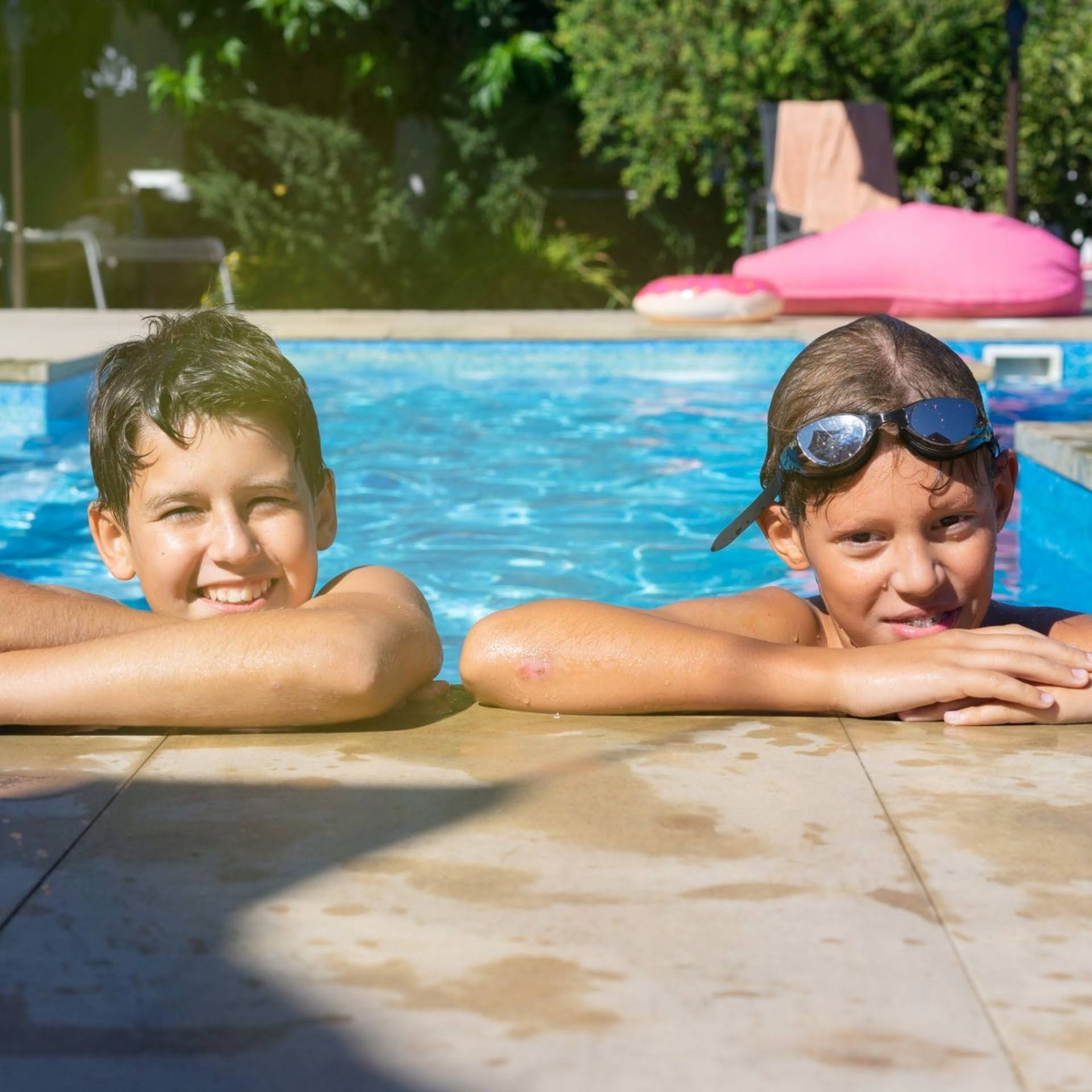
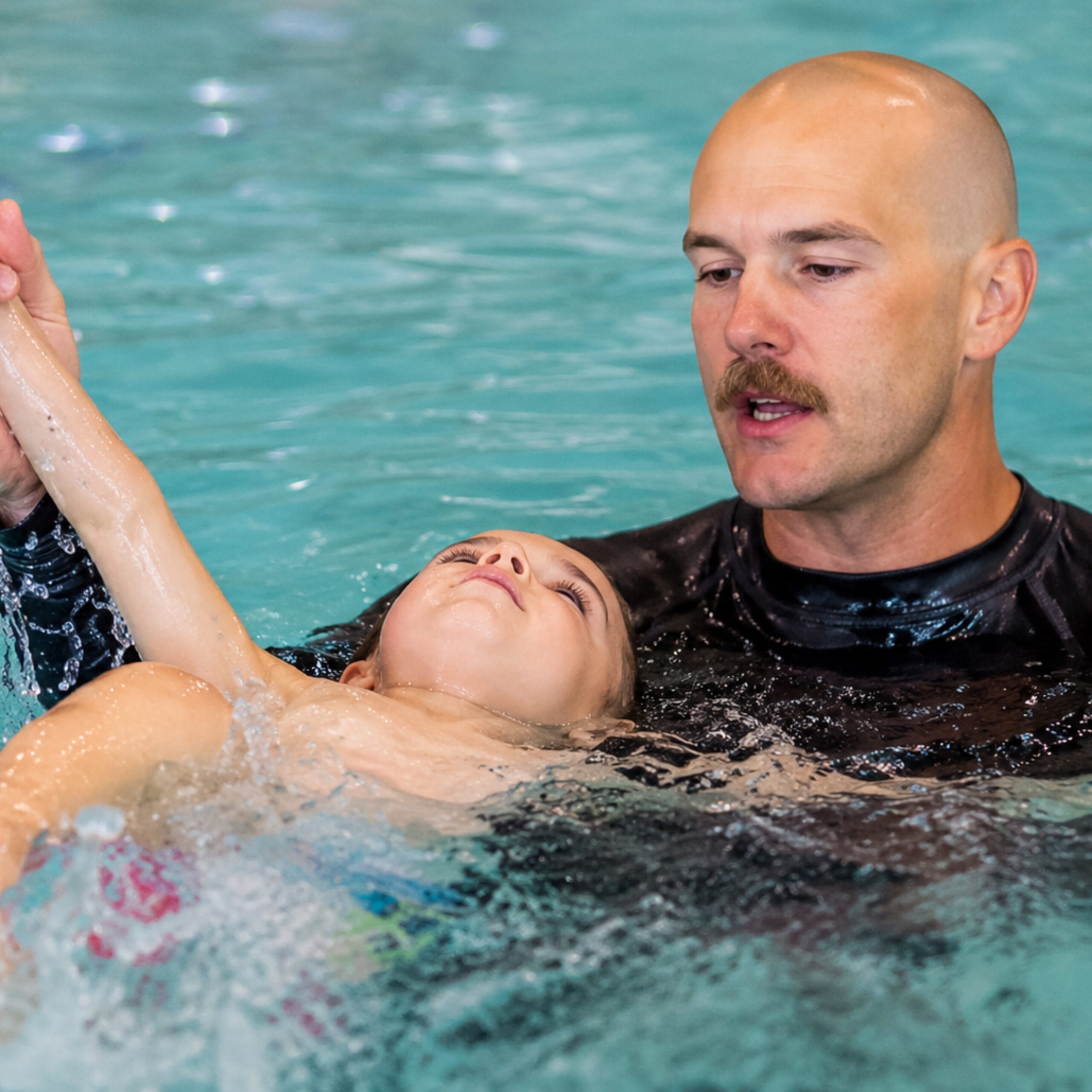
Most parents hand their child a water bottle before soccer practice but forget to do the same before swim lessons. Swimming feels cool, the child is surrounded by water, and visible sweat is nowhere in sight. In Arizona's dry heat, this combination makes dehydration in kids while swimming a hidden risk.
In the pool, hydrostatic pressure tricks the body's thirst sensors into thinking it has plenty of fluid, even when the opposite is true. Add Gilbert and Mesa's single-digit humidity and 110-degree air temperatures, and the risk climbs higher.
Children are not just smaller versions of adults when it comes to fluid regulation. Their bodies handle heat and water loss differently in ways that matter at the pool.
Dehydration during swimming is a concern everywhere, but Arizona dry heat pool safety requires extra attention because of conditions specific to the East Valley.
When air temperatures reach 110 to 120 degrees, the body's cooling system is stressed before a child even enters the water. Hot concrete, radiant heat from surfaces, and warm ambient air compound the fluid loss that happens during physical activity in the pool.
Gilbert and Mesa regularly see summer humidity below 10 percent. Dry air pulls moisture from skin and the respiratory system faster than humid environments, and children lose fluids through breathing at a higher rate than adults realize. A child breathing hard during swim lessons in Gilbert, AZ on a dry June afternoon is losing water with every exhale.
Outdoor pools expose children to direct sun, high air temperatures, and warmer water, all of which increase sweat rates and dehydration risk. Indoor, climate-controlled pools like the one at EVO Swim School's SanTan Gilbert location maintain consistent temperatures year-round, removing the extreme heat variable.
Staying hydrated during swim lessons requires proactive habits because children will not self-regulate in the water.
Dehydration and sun exposure go hand in hand during outdoor pool time. Sun protection for kids in the pool is essential in Arizona's summer:
For families weighing indoor versus outdoor options, EVO's indoor teaching pool at SanTan Gilbert eliminates direct sun exposure entirely, making sun protection for kids in the pool less of a concern during weekly lessons.
No single temperature cutoff exists, but several indicators suggest conditions are too extreme for outdoor pool time with young children:
When conditions reach these levels, indoor swim lessons offer the safest alternative for consistent training.
Ready to keep your child's swim lessons consistent through Arizona's hottest months? Join us today and find the right class at EVO Swim School in Gilbert or Mesa, or call us at 480-404-6191.
Yes. Children sweat in the pool, but water washes it away, masking fluid loss. A University of Arkansas study found two-thirds of young swimmers were dehydrated at practice. Water pressure also suppresses the body's thirst sensors, so children rarely feel thirsty while swimming.
A full glass about 30 minutes before and another immediately after. During the lesson, a mid-session water break helps. As a general guideline, children should drink at least half their body weight in ounces daily, with more on active days.
Indoor pools remove the extreme heat, direct sun, and low humidity that increase dehydration and sun exposure risk. For young children, consistent indoor conditions reduce environmental stress and allow year-round lessons without weather interruptions.
Watch for irritability, fatigue, dry mouth or lips, decreased urine output, darker urine, headache, or dizziness. Children may not complain of thirst even when dehydrated, so monitoring behavior after pool time is more reliable than waiting for a child to ask for water.
For outdoor lessons, apply water-resistant sunscreen (SPF 30+) at least 15 minutes before entering the pool and reapply every two hours. UV-protective swimwear adds extra protection. Indoor lessons at climate-controlled facilities do not require sunscreen.
Or register via phone 480-404-6191